Influencer Marketing for Beauty Brands: The Complete 2026 Guide
Influencer marketing for beauty brands has never been more powerful — 72% of consumers discover new products through social media. This complete 2026 guide gives you the strategy, tools, and tactics to run campaigns that build trust, grow reach, and drive sales.
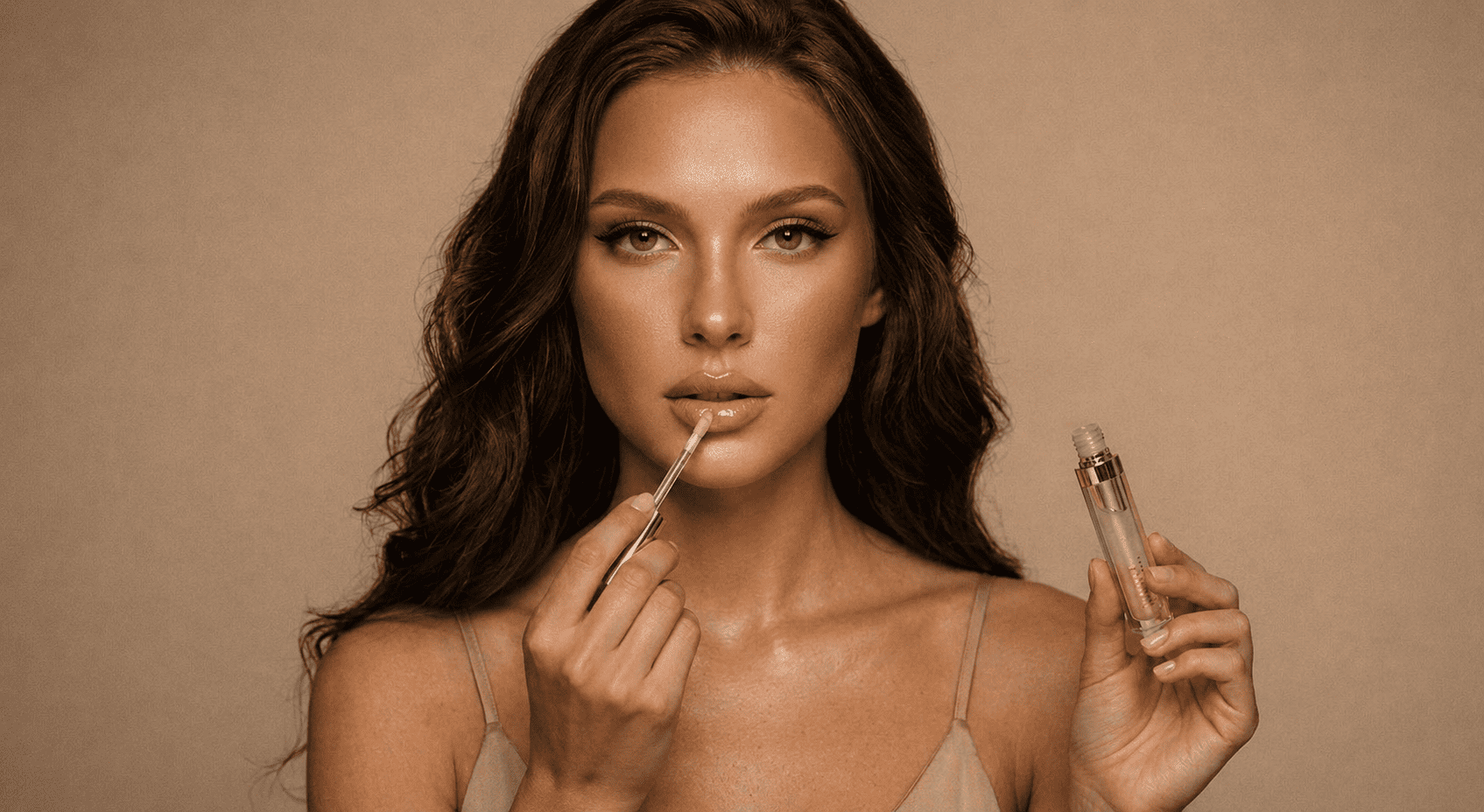
The beauty industry has always thrived on word of mouth — from salon chairs to magazine editorials. Today, that conversation has moved to Instagram feeds, TikTok "Get Ready With Me" videos, and YouTube deep-dive tutorials. Influencer marketing beauty campaigns are no longer a nice-to-have; they are the primary discovery engine for modern cosmetics, skincare, and wellness brands.
Whether you're a heritage brand navigating a digital-first world or a direct-to-consumer indie label competing for shelf space, this guide covers everything you need to build effective influencer partnerships that generate real revenue.
1. Why Influencer Marketing Dominates the Beauty Industry
Beauty products live or die by trust. A customer won't spend $60 on a foundation without some assurance it performs. Influencers bridge the gap between brand promise and consumer confidence in a way that no banner ad ever could.
- The global beauty influencer market is projected to reach $32 billion by 2026.
- 72% of beauty consumers discover new products through social media.
- Influencer-driven campaigns deliver a 4.7× higher conversion rate than traditional beauty advertising.
- 89% of marketers say influencer ROI is comparable or better than other channels.
Beyond numbers, the reason influencer marketing beauty works is psychological. When a trusted creator applies a serum on camera, demonstrates the before-and-after of a hair mask, or shares their honest take on a lipstick's longevity, audiences absorb it as peer recommendation — not advertising.
Key insight: Beauty is one of the few categories where "showing the product in use" is itself the content. Influencers don't just promote beauty — they demonstrate it, making authenticity and format inseparable from performance.
2. Types of Beauty Influencers: Finding Your Fit
Not all beauty influencers are created equal. The tier system matters enormously for budget allocation and campaign goals.
| Tier | Followers | Avg. Engagement | Best For |
|---|---|---|---|
| Nano | 1K – 10K | 6–10% | Hyper-local, niche community trust |
| Micro | 10K – 100K | 3–7% | Cost-efficient awareness & conversions |
| Mid-Tier | 100K – 500K | 2–4% | Balanced reach + credibility |
| Macro | 500K – 1M | 1–3% | Mass brand awareness |
| Mega / Celebrity | 1M+ | 0.5–1.5% | Launch moments, cultural credibility |
Most successful beauty brands run a portfolio approach — anchoring a campaign with one or two mid-tier creators for credibility, while deploying 15–30 micro-influencers for volume and community reach.
3. Best Platforms for Beauty Influencer Marketing
Still the visual home of beauty. Instagram's Reels, Stories, and carousels allow influencers to showcase products through aspirational aesthetics. The platform's Shopping tags create a near-frictionless path from discovery to purchase. Ideal for luxury, skincare, and lifestyle beauty brands.
TikTok
The fastest-growing channel for beauty discovery. TikTok's algorithm surfaces the right content to the right viewer regardless of follower count — a nano creator can go viral overnight. The platform rewards authenticity over polish, making it perfect for "real results" skincare and makeup tutorials. The #BeautyTok community has billions of views and continues to grow.
YouTube
Long-form authority. YouTube tutorials, foundation shade reviews, and 6-month skincare journey videos remain the gold standard for considered purchases. When a consumer is deciding between a $90 moisturiser and a $40 alternative, they often turn to a 15-minute YouTube deep-dive. Excellent for skincare, haircare, and high-consideration beauty products.
High-intent discovery. Pinterest users are actively planning purchases. Beauty boards drive evergreen traffic and product saves that convert weeks or months later. Pair influencer-created content with Pinterest ads for compounding effect.
4. Campaign Types That Work for Beauty Brands
- Product Seeding: Send products to influencers without a paid contract and let them post organically if they love it. Low cost, high authenticity — but no guaranteed content.
- Sponsored Posts & Reels: Paid partnerships with clear deliverables. The influencer discloses the collaboration (#ad) and creates content to agreed briefs.
- Unboxing & Hauls: Great for launches. Influencers reveal new products in real time, capitalising on the excitement of "first look" moments.
- Tutorial & GRWM Content: "Get Ready With Me" and step-by-step tutorials put the product to work. These perform exceptionally on TikTok and YouTube and demonstrate real efficacy.
- Brand Ambassador Programs: Long-term relationships (3–12 months) where an influencer becomes a recurring face of the brand. Builds deep audience association and trust over time.
- Affiliate & Commission-Based: Influencers earn a percentage of every sale they drive via a unique link or code. Low upfront cost, highly trackable, scalable.
- Co-created Products (Collabs): Advanced partnerships where the influencer co-develops a limited edition shade, product, or collection. High effort, but generates enormous buzz.
5. How to Find the Right Beauty Influencers
Finding influencers is easy. Finding the right ones is the hard part. Here's what to evaluate beyond follower count:
- Audience demographics: Does their audience match your target customer — age, location, skin type, beauty interests?
- Content quality & aesthetic: Does their visual style align with your brand identity?
- Engagement authenticity: Are comments genuine and conversational, or generic and bot-like?
- Brand fit history: Have they promoted competing products recently? Do they stay within a coherent niche?
- Story & values: Do they advocate for values your brand shares — sustainability, inclusivity, clean beauty?
Dedicated influencer platforms significantly reduce research time. Strwbery's influencer discovery platform allows beauty brands to filter by niche, engagement rate, audience demographics, and past brand collaborations — so you can find aligned creators in minutes rather than weeks.
6. Building Your Influencer Marketing Strategy
A successful influencer marketing beauty strategy isn't built on one viral post — it's built on consistent, systematic execution. Here's a five-step framework:
Step 1: Define Your Goals
Are you driving brand awareness, product launch noise, website traffic, or direct-to-consumer sales? Each goal demands different creator tiers, platforms, and content types. Don't try to achieve all four simultaneously with one campaign.
Step 2: Set a Realistic Budget
A rule of thumb for emerging beauty brands: allocate 10–20% of your marketing budget to influencer marketing. Distribute it across tiers — don't spend it all on one macro influencer when 20 micro creators could generate more total reach and better conversion.
Step 3: Craft a Clear Brief — But Give Creative Freedom
The best influencer content doesn't sound like an ad. Brief creators on key messages, required disclosures, and product usage notes — but let them translate your brand into their own voice. Audiences can detect inauthenticity immediately, and it kills engagement.
Step 4: Build Relationships, Not Transactions
One-off posts are becoming less effective. Beauty brands that invest in multi-post ambassador relationships see compounding trust over time. When an influencer mentions your serum for the fourth month in a row, their audience believes it's genuinely part of their routine.
Step 5: Repurpose and Amplify
Influencer content doesn't have to live only on the creator's channel. With usage rights secured in your contract, repurpose top-performing posts as paid social ads, website testimonials, email content, and retail imagery. This dramatically increases the ROI of every dollar spent on creator fees.
7. Measuring ROI & Key Metrics
The days of "we can't really measure influencer marketing" are over. Here are the metrics every beauty brand should track:
- Reach & Impressions: How many people saw the content? Important for awareness campaigns.
- Engagement Rate: Likes, comments, saves, and shares divided by reach. A proxy for content quality and audience connection.
- Link Clicks & UTM Attribution: Track traffic driven to your website from each creator using unique UTM parameters.
- Promo Code Usage: Assign each influencer a unique discount code. Sales generated are directly attributed and trackable.
- Affiliate Conversions: Commission-based programs give you a direct line of sight to revenue per influencer.
- Earned Media Value (EMV): The equivalent cost to achieve the same reach through paid advertising. Useful for benchmarking and stakeholder reporting.
- Brand Sentiment: Monitor comment tone and brand mentions. Are audiences responding positively to the partnership and product?
Pro tip: Build a simple dashboard that aggregates post-level data from all your active influencer campaigns. Even a spreadsheet with reach, engagement, clicks, and promo code redemptions per creator will reveal your top performers and help you reallocate budget intelligently.
8. Common Influencer Marketing Mistakes Beauty Brands Make
- Chasing follower counts over engagement: A 2M-follower account with 0.4% engagement may deliver less than a 50K micro influencer with 6% engagement.
- Over-scripting the content: Heavily scripted captions read as inauthentic. Trust the influencer's voice — that's what you're paying for.
- Ignoring FTC disclosure requirements: Every paid partnership must be clearly disclosed. Failure to comply can result in regulatory penalties and audience trust damage.
- One-and-done campaigns: A single post rarely builds meaningful brand association. Sustained campaigns across multiple touchpoints perform far better.
- Not securing usage rights: Always negotiate rights to repurpose influencer content in paid ads, website, and email — or you'll miss the biggest ROI multiplier available to you.
- Skipping the vetting process: Fake followers, misaligned values, or past brand controversies can damage your brand by association. Vet thoroughly before contracting.
Ready to find the right beauty influencers for your brand? Explore Strwbery's beauty influencer marketplace — filter by niche, engagement rate, and audience demographics to build your perfect creator roster.
Frequently Asked Questions
How much does influencer marketing cost for beauty brands?
Costs vary widely depending on the influencer tier and platform. Nano-influencers (1K–10K followers) typically charge between $50 and $500 per post, while macro influencers and celebrities can command $10,000–$100,000 or more per piece of content. Most mid-tier beauty brands allocate 10–20% of their total marketing budget to influencer partnerships. Starting with a portfolio of micro and nano creators is a highly cost-efficient entry point.
Which platform is best for beauty influencer marketing?
Instagram and TikTok currently dominate beauty influencer marketing. Instagram excels at aspirational aesthetics, longer shelf-life content, and shopping integrations. TikTok drives viral product discovery and rewards authenticity over production quality. YouTube remains the gold standard for in-depth tutorials and high-consideration purchase decisions. The best strategy uses all three in concert, with platform mix determined by your target audience's age and content consumption habits.
How do I find the right beauty influencers for my brand?
Look beyond follower count. Prioritise influencers whose audience demographics match your target customer, whose aesthetic aligns with your brand identity, and who demonstrate genuine engagement in comments. Dedicated platforms like Strwbery allow beauty brands to filter and discover vetted influencers by niche, engagement rate, and audience profile — dramatically reducing research time.
What is a good engagement rate for beauty influencers?
A healthy engagement rate on Instagram is generally 2–5%, while TikTok benchmarks are higher at 5–10% due to the platform's broader algorithmic reach. Micro and nano influencers often outperform these averages (6–10% is common), making them particularly cost-effective for beauty brands. If an account with hundreds of thousands of followers shows engagement below 0.5%, that's a red flag — it may indicate an inflated or disengaged audience.
How do I measure the ROI of beauty influencer campaigns?
Track a combination of metrics depending on your campaign goal. For awareness: reach, impressions, and earned media value (EMV). For conversion: unique promo code redemptions, affiliate link clicks, and UTM-tagged website traffic. For brand building: engagement rate, comment sentiment, and follower growth during the campaign. Set up influencer-specific UTM parameters in Google Analytics and assign each creator a unique discount code for clean attribution.
Should beauty brands use long-term ambassador programs or one-off campaigns?
Both have their place, but long-term ambassador relationships consistently outperform one-off posts for brand-building goals. When an influencer mentions your product across multiple months of content, their audience perceives it as a genuine part of their routine rather than a paid placement. One-off campaigns work well for product launches, limited editions, or testing new creators. A balanced strategy uses a handful of sustained ambassadors as a brand foundation, supplemented by tactical one-off campaigns for launch moments.
Continue Reading
Related influencer marketing insights
Influencer Marketing for Travel Brands: Complete Guide (2026)
Discover how travel brands use influencer marketing to build trust and drive bookings. Learn campaign types, creator selection tips, and how UGC boosts ROI
Top 10 Dance Influencers in India on Instagram in 2026
Discover the top 10 dance influencers in India on Instagram in 2026 — from Awez Darbar’s 30M+ followers to rising stars shaking up the scene. Find the perfect creator for your next influencer marketing campaign.
Top 10 Mom Influencers in India 2026
India is home to some of the most influential mom creators on Instagram, and in 2026, their impact on parenting culture and brand marketing has never been stronger. From Bollywood celebrities like Neha Dhupia and Debina Bonnerjee to niche experts like Dr. Pallavi Rao Chaturvedi, these women are shaping how millions of Indian mothers think, shop, and raise their children.