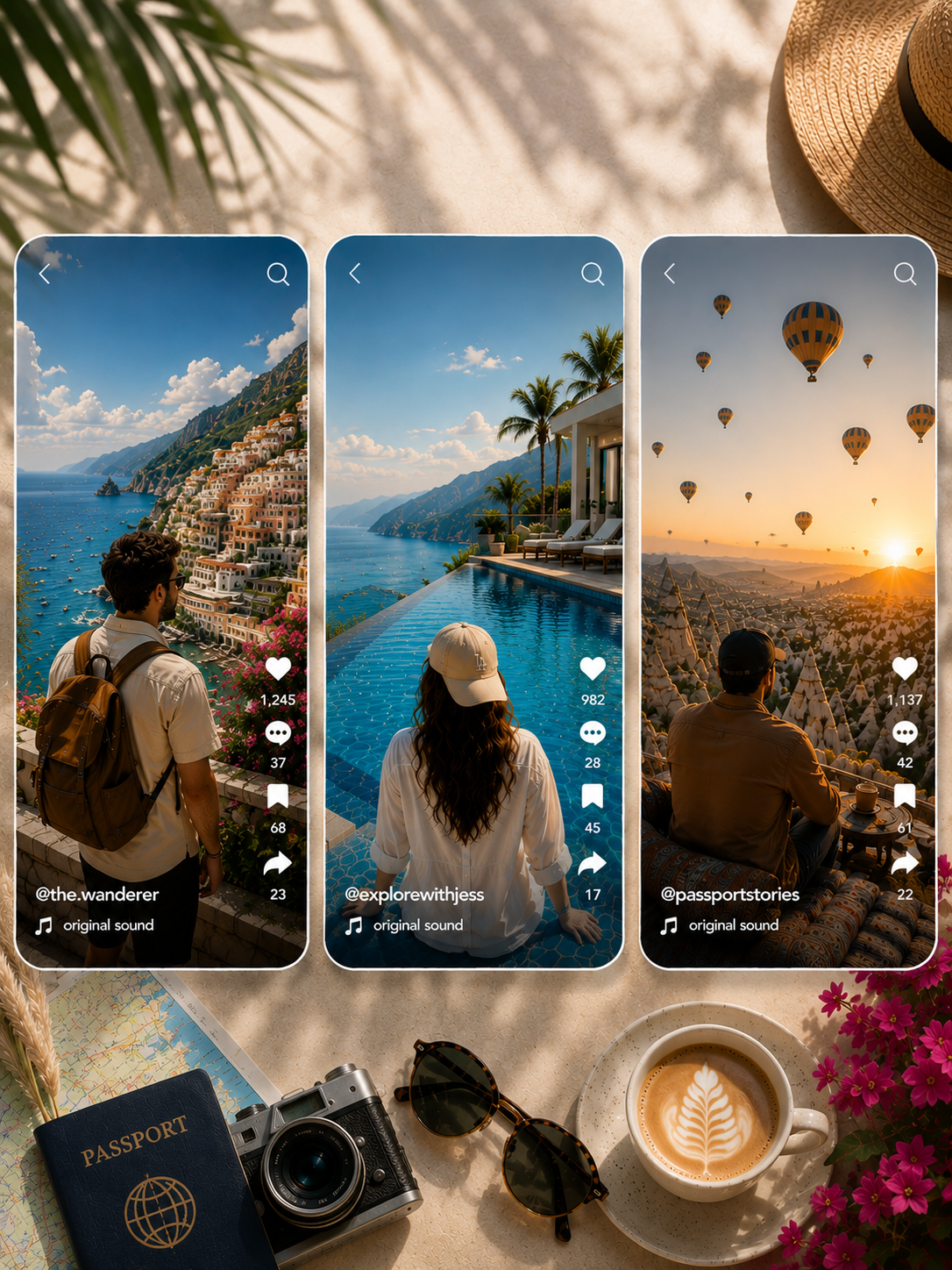
What Is Nano Influencer Marketing?
Nano influencer marketing is the practice of partnering with social media creators who have a relatively small but highly engaged following — typically between 1,000 and 10,000 followers. Unlike mega-influencers or celebrities who broadcast to millions, nano influencers speak directly and authentically to tight-knit communities built around shared interests, values, or lifestyles.
These creators might be a passionate home baker sharing recipes with 4,000 Instagram followers, a fitness enthusiast documenting their journey to 7,500 TikTok fans, or a sustainability advocate with a loyal YouTube audience of 9,000 subscribers. What they lack in reach, they more than make up for in trust, relatability, and genuine influence.
The Numbers Don't Lie: Why Nano Influencers Outperform the Big Names
The influencer marketing industry has spent years chasing scale. But data consistently shows that as follower counts grow, engagement rates drop — and with them, real impact. Here's what the research tells us:
- Engagement rates: Nano influencers average engagement rates of 5–8%, compared to just 1–2% for mega-influencers with millions of followers.
- Trust and authenticity: 92% of consumers trust recommendations from individuals over brands, and that trust is even stronger when the recommender feels like a real person rather than a polished celebrity.
- Cost-effectiveness: A single post from a celebrity influencer can cost tens of thousands of dollars. Many nano influencers collaborate in exchange for free products or modest fees of $10–$100 per post.
- Niche precision: Nano influencers often have hyper-specific audiences, letting brands reach exactly the right people rather than casting a wide, expensive net.
In short, nano influencer marketing delivers more qualified attention per dollar than almost any other channel.
The Trust Factor: Why Small Audiences Mean Big Impact
The secret sauce of nano influencer marketing is simple: authenticity. When a nano influencer recommends a product, it doesn't feel like an ad — it feels like advice from a friend. Their followers know them personally, interact with them in comments, and genuinely value their opinions.
Contrast this with a mega-influencer who posts 30 sponsored pieces of content a month. Followers become desensitized. The trust erodes. The clicks dry up. Nano influencers, by contrast, are selective about what they promote because their credibility depends on it. When they vouch for your product, their audience listens.
This is especially critical in competitive markets like beauty, wellness, fashion, and food — categories where consumers are bombarded with ads and have become highly skilled at tuning them out.
Key Benefits of Nano Influencer Marketing for Brands
1. Higher Engagement and Conversion Rates
Engagement is the true currency of influencer marketing. A campaign that reaches 500,000 people with 0.5% engagement generates 2,500 interactions. A nano influencer campaign that reaches 50,000 people with 6% engagement generates 3,000 interactions — and at a fraction of the cost. More importantly, those interactions come from genuinely interested potential customers, not passive scrollers.
2. Budget-Friendly Scalability
One of the greatest advantages of nano influencer marketing is scalability. Instead of spending your entire budget on one celebrity partnership, you can activate 20, 50, or even 100 nano influencers simultaneously. This creates a chorus of authentic voices across multiple communities, dramatically extending your brand's reach while maintaining the personal touch that makes nano influencer content so effective.
3. Authentic Content Creation
Nano influencers create content that looks and feels organic — because it is. They know how to communicate with their audience in a way that resonates, using the tone, format, and style that their community loves. This content is often more compelling than anything a brand could produce in-house, and it can be repurposed across your own channels (with permission) for even greater value.
4. Access to Niche Markets
Need to reach vegan moms in the Pacific Northwest? Vintage sneaker collectors in their 30s? Home brewers who take their hobby seriously? There's a nano influencer for that — actually, there are hundreds. Nano influencer marketing gives brands surgical precision when targeting specific communities that would be nearly impossible to reach through traditional advertising.
5. Stronger Brand-Consumer Relationships
When a trusted community member recommends your product, you're not just making a sale — you're earning a relationship. Nano influencer audiences that discover your brand through a creator they trust are more likely to become loyal, repeat customers who advocate for you in turn. The lifetime value of a customer acquired through authentic recommendation is substantially higher than one acquired through a banner ad.
How to Build a Successful Nano Influencer Marketing Strategy
Step 1: Define Your Goals and Audience
Before reaching out to a single influencer, get crystal clear on what you want to achieve. Are you driving brand awareness, generating user-created content, boosting sales, or launching a new product? Your goals will shape every other decision in your campaign.
Equally important: know your ideal customer inside out. The more precisely you can define them, the more effectively you can find nano influencers whose audiences match that profile.
Step 2: Find the Right Nano Influencers
Discovery is often the most time-consuming part of nano influencer marketing, but it's also the most important. Look for creators who:
- Genuinely align with your brand's values and aesthetic
- Have high, authentic engagement (not inflated by bots or giveaways)
- Produce consistent, quality content in your product's niche
- Have a track record of transparent, honest partnerships
Platforms like Strwbery's influencer discovery tool make this process dramatically easier, helping you find, vet, and connect with nano influencers who are the right fit for your brand — without spending weeks manually combing through Instagram profiles.
Step 3: Craft a Compelling Outreach and Brief
Nano influencers receive far fewer brand pitches than macro influencers, but that doesn't mean you should phone it in. Personalise every outreach. Show that you've actually followed their content and explain specifically why you think they'd be a natural fit for your brand.
When it comes to the creative brief, give clear direction but leave room for the influencer's voice. Over-scripted content kills authenticity. Share your key messages, any mandatory inclusions, and brand guidelines — then trust your partners to communicate in the way they know works for their audience.
Step 4: Measure What Matters
Track metrics that align with your goals. For awareness campaigns, look at reach, impressions, and saves. For conversion-focused campaigns, monitor click-through rates, promo code redemptions, and website traffic from influencer links. For content creation goals, evaluate the quality and volume of assets produced.
Don't get distracted by vanity metrics. A nano influencer who drives 200 genuine sales is worth far more than a mega-influencer whose post gets 50,000 likes but zero conversions.
Common Mistakes to Avoid in Nano Influencer Marketing
- Prioritising follower count over engagement quality. Always audit an influencer's engagement before partnering with them.
- Over-controlling the creative process. Trust your nano influencers — their audience knows when content feels forced.
- Running one-off campaigns. Ongoing partnerships build familiarity and trust over time, delivering compounding returns.
- Ignoring disclosure rules. Always ensure influencers clearly disclose paid partnerships in accordance with FTC guidelines.
- Failing to repurpose content. Great nano influencer content can be used in ads, emails, and on your website — maximising ROI.
Nano Influencer Marketing Across Different Platforms
Nano influencer marketing works across virtually every major social platform, but the approach varies:
Instagram remains the dominant platform for visual brands in beauty, fashion, food, and lifestyle. Stories and Reels are especially effective for nano influencer content.
TikTok is ideal for brands targeting younger audiences and those with products that benefit from demonstration. TikTok's algorithm often rewards authentic, lo-fi content — exactly the style nano influencers naturally produce.
YouTube is powerful for products requiring deeper explanation, reviews, or tutorials. Nano influencer YouTube videos often rank well in search results, providing lasting organic value.
Pinterest and blogs work particularly well for home decor, fashion, food, and DIY brands where longer-form content and searchability matter.
Is Nano Influencer Marketing Right for Your Brand?
Nano influencer marketing works exceptionally well for brands that:
- Sell to clearly defined niche audiences
- Value authentic storytelling over polished advertising
- Have limited budgets but want high-impact results
- Are launching new products and need to build credibility quickly
- Operate in trust-sensitive categories like health, wellness, food, or finance
If your brand ticks any of these boxes, nano influencer marketing deserves a serious place in your strategy. And if you're ready to get started, exploring a dedicated influencer platform can save you significant time in finding and managing the right partners.
The Future of Influencer Marketing Is Smaller
The influencer marketing landscape is maturing. Consumers are more ad-savvy than ever, algorithms reward authentic engagement, and brands are demanding measurable ROI rather than vanity metrics. In this environment, nano influencer marketing isn't just a budget-friendly alternative to working with big names — it's often the superior strategic choice.
As audiences continue to fragment across platforms and niches, the brands that win will be those who understand that relevance beats reach every single time. Nano influencers deliver both — relevance to a specific audience, and a level of authentic connection that no celebrity endorsement can replicate.
Start small. Think strategically. Build real relationships. That's the nano influencer marketing formula that's working for brands right now — and it will only become more powerful as the digital landscape evolves.
```