UGC Content Creation Guide: Everything Brands Need to Know in 2026
92% of consumers trust UGC over traditional advertising. Learn how to build a UGC content strategy that drives results, whether you’re a D2C startup or scaling brand in India.
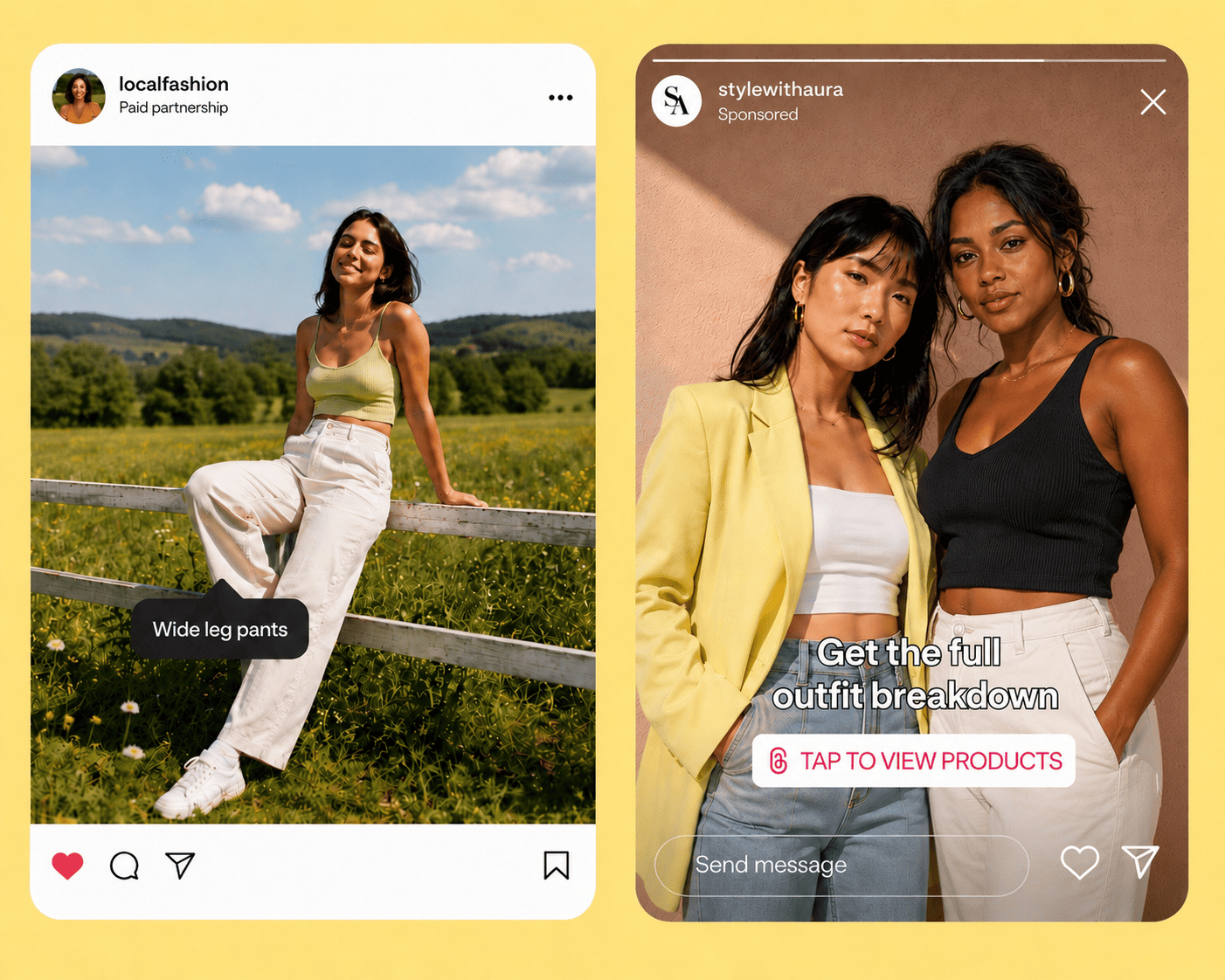
User-generated content (UGC) has moved from a marketing buzzword to one of the most powerful tools in a brand's digital arsenal. From skincare startups to D2C fashion brands, businesses across India are waking up to one simple truth: real people talking about real products convert better than polished ads. Whether you're a brand just getting started or already working with a UGC content agency in India, this guide breaks down everything you need to know to create content that actually works.
What Is UGC Content?
UGC, or user-generated content, refers to any content — videos, photos, reviews, testimonials, or social posts — created by real users or creators rather than the brand itself. It's the unboxing video someone shoots after receiving your product, the honest review left on Instagram, or the "get ready with me" reel featuring your skincare line.
What makes UGC powerful is its authenticity. Consumers trust content from real people far more than they trust traditional advertising. A study by Nielsen found that 92% of consumers trust organic, user-generated content more than any form of traditional advertising. That number alone should tell you why UGC has become central to modern digital marketing strategies.
It's worth noting that modern UGC isn't always spontaneous. Brands now commission UGC-style content from trained creators who specialize in making content that looks and feels authentic — even if it's strategically created. This "paid UGC" model is exactly what most UGC content agencies in India help brands execute at scale.
Why UGC Matters for Indian Brands Right Now
India's digital landscape has exploded. With over 900 million internet users and platforms like Instagram Reels, YouTube Shorts, and Moj dominating daily screen time, the demand for short, relatable, and scroll-stopping content has never been higher.
Indian consumers, particularly those in Tier 1 and Tier 2 cities, are increasingly skeptical of over-produced brand ads. They respond to content that feels familiar — someone speaking in their language, using a product in their home, solving a problem they actually have. UGC fits this perfectly.
For brands, the economics also make sense. UGC content is significantly cheaper to produce than traditional studio shoots, and it can be repurposed across paid ads, organic social, email campaigns, and product pages. When you partner with a UGC content agency in India, you're not just buying content — you're building a content engine that can scale with your brand.
Types of UGC Content You Should Know
Not all UGC looks the same. Here are the most common formats brands use today:
Unboxing and First Impressions
This is one of the highest-performing UGC formats. A creator films themselves opening your product for the first time, sharing genuine reactions. It builds anticipation and works exceptionally well for beauty, electronics, food, and fashion brands.
Testimonials and Reviews
A creator speaks directly to the camera about their experience with your product. These work well as paid ad creatives because they feel like word-of-mouth recommendations from a trusted friend rather than a brand pushing a sale.
Tutorial and How-To Videos
These show your product in action. A makeup brand might commission a creator to do a full face routine using their products. A kitchen appliance brand might ask for a quick recipe video. Tutorials are educational and build confidence in potential buyers.
Day-in-the-Life or Lifestyle Integration
The product is naturally woven into someone's daily routine. This format feels the least "ad-like" and is particularly effective on Instagram and YouTube, where audiences value authenticity over perfection.
Comparison and Before/After Content
Great for categories like fitness, skincare, haircare, and home improvement. Showing transformation creates emotional impact and is highly shareable.
How to Brief UGC Creators Effectively
The quality of your UGC is directly tied to the quality of your brief. A vague brief produces generic content. A tight brief produces content that converts. Here's what every good UGC brief should include:
1. Brand and Product Overview
Give the creator enough context to understand what you sell, who you sell to, and what makes you different. Don't assume they already know your brand. Include key selling points, ingredients (for beauty/food brands), and any claims you want them to make or avoid.
2. Content Objective
Are you creating this for a paid ad on Meta? Organic posting on Instagram? A product page? The platform and objective should shape the content style, length, and tone. A 15-second Meta ad needs a strong hook in the first two seconds. A YouTube review can afford to be more detailed.
3. Hook Ideas
One of the hardest parts of UGC for new creators is opening strong. Provide 2–3 hook options they can choose from or adapt. Examples: "I tried [product] for 30 days and here's what happened," or "This is the only [product category] I've repurchased three times."
4. Key Messages to Cover
List 3–5 points you want mentioned. Don't script it word-for-word — that kills authenticity — but guide the narrative. For instance: mention the scent, show the texture, talk about how long results last.
5. Do's and Don'ts
Tell creators what to avoid (competitor mentions, certain claims, specific visuals) and what you want to see (good lighting, clean background, face on camera vs. hands only). This saves everyone time on revisions.
6. Format and Technical Requirements
Specify aspect ratio (9:16 for Reels/Shorts, 1:1 for feed), video length, whether they should include captions, and any music guidelines. If the content is for paid ads, remind them not to use copyrighted music.
What to Look for in a UGC Creator
Not every creator is right for every brand. When selecting UGC creators — whether independently or through a UGC content agency in India — evaluate them on these criteria:
Content Quality: Do their existing videos look clean and well-lit? Even casual UGC should be watchable. Poor audio is a common dealbreaker for ad use.
On-Camera Comfort: Can they speak naturally? Stiff or scripted delivery undermines the entire point of UGC. Look for creators who feel like they're talking to a friend, not reading a teleprompter.
Relevance: Does their lifestyle and aesthetic match your brand? A premium wellness brand should avoid creators whose feed is cluttered with fast-food ads. Alignment matters for brand safety and credibility.
Delivery Reliability: UGC campaigns have timelines. A creator who misses deadlines or requires excessive revisions slows down your entire content pipeline. This is one area where working with an established UGC content agency in India pays off — agencies vet creators for reliability before adding them to their network.
Using UGC in Paid Advertising
UGC doesn't just belong on your brand's organic feed. Some of the best-performing Meta and Google ads use UGC as the creative. Here's why: native-looking content stops the scroll. When an ad looks like something a real person posted, users don't immediately register it as an ad and are more likely to watch, engage, and click.
When using UGC for paid ads, keep these principles in mind:
Hook in the first 2–3 seconds: Most users decide to keep watching or scroll away almost instantly. Your UGC creator needs to lead with something that stops them — a bold statement, a relatable problem, or an unexpected visual.
Test multiple variations: UGC is relatively affordable, which means you can test different hooks, formats, and creators against each other. Let the data decide what works. Many brands test 5–10 UGC creatives simultaneously to find winning ads faster.
Add captions: A large percentage of users watch videos with sound off. Always add captions to UGC content before running it as an ad. Most editing tools and platforms offer automatic captioning.
Repurpose winners: When a UGC ad performs well organically or in paid campaigns, repurpose it. Use it in email campaigns, on your website's product page, or as a retargeting creative. Good UGC content has a long shelf life.
Building a UGC Content Strategy
A one-off UGC video won't move the needle. The brands that see real results from UGC treat it as an ongoing strategy, not a one-time campaign. Here's how to build one:
Set a monthly content volume target: Decide how many UGC pieces you need each month across formats and platforms. Most growing D2C brands aim for 8–20 pieces per month to maintain a steady content pipeline for organic posting and ad testing.
Build a creator roster: Rather than sourcing new creators every time, maintain a small roster of 5–15 reliable creators who understand your brand. This improves consistency and reduces briefing time over repeat collaborations.
Create a UGC content calendar: Map your UGC content to product launches, seasonal campaigns, and promotional periods. Plan ahead so creators have enough lead time to produce quality content.
Track performance: Measure which UGC formats, creators, and hooks drive the best results — in terms of engagement, click-through rates, and conversions. Use this data to refine your briefs and inform future content decisions.
If managing all of this in-house feels overwhelming, that's where partnering with a specialized UGC content agency in India becomes valuable. Agencies handle creator sourcing, briefing, quality control, and delivery — so your team can focus on strategy and performance.
Common UGC Mistakes Brands Make
Even brands with the right intentions make avoidable mistakes with UGC. Here are the most common ones:
Over-scripting creators: The moment a UGC video sounds scripted, it loses its edge. Give creators a framework, not a script. Let them use their natural voice and phrasing — that's what makes UGC feel real.
Ignoring licensing and usage rights: If you plan to use UGC content in paid ads or on your website, make sure you have clear usage rights agreed upon upfront. Verbal agreements aren't enough. This should be outlined in every creator contract.
Chasing follower counts: UGC isn't about reach — it's about content quality. A creator with 2,000 followers who produces excellent, authentic video is far more valuable for UGC purposes than a macro-influencer with millions of followers but no on-camera skill.
Skipping the revision process: Always include at least one round of revisions in your creator agreements. Even well-briefed creators sometimes miss key messages or technical requirements. A single revision round protects your investment.
Treating UGC as a one-time thing: UGC fatigue is real. What converts today may lose effectiveness in 60–90 days. Brands that win with UGC are those that consistently produce fresh content rather than relying on one or two hero pieces.
Frequently Asked Questions
What is UGC content and how is it different from influencer marketing?
UGC (user-generated content) refers to content created by real users or commissioned creators that looks and feels authentic and organic. Influencer marketing, on the other hand, typically involves partnering with creators who post content to their own audience to drive awareness and reach. The key difference is distribution: UGC is primarily created for use by the brand (in ads, on product pages, etc.), while influencer marketing is about leveraging the creator's own audience. Many brands use both together for maximum impact.
How much does UGC content cost in India?
UGC content pricing in India varies based on the creator's experience, the content format, and usage rights. Rates for a single UGC video can range from ₹2,000 to ₹15,000 or more, depending on complexity. Working with a UGC content agency in India often provides better value as agencies bundle creator sourcing, briefing, and quality control into a monthly retainer or per-project fee, which is more efficient for brands that need consistent volume.
Can small brands benefit from UGC content?
Absolutely. UGC is one of the most accessible content formats for small and emerging brands precisely because it doesn't require expensive production. A small D2C brand can commission 4–6 UGC videos per month at a fraction of the cost of a single studio shoot — and often see better conversion rates because the content feels relatable and trustworthy to their target audience.
What platforms work best for UGC content in India?
Instagram (Reels and Stories), YouTube Shorts, and Meta ads are currently the strongest platforms for UGC content in India. Instagram and YouTube Shorts favor native, short-form video formats that UGC is perfectly suited for. For paid advertising, Meta (Facebook and Instagram ads) remains the most widely used platform by Indian brands running UGC-based ad campaigns.
How do I find reliable UGC creators in India?
You can find UGC creators through Instagram, creator marketplaces, or by working with a UGC content agency in India that maintains a vetted creator network. When evaluating creators, prioritize content quality, on-camera confidence, and delivery reliability over follower count. Many top UGC creators in India have smaller but highly engaged audiences and specialize in creating brand content rather than growing personal followings.
Do I own the content that UGC creators make for my brand?
This depends entirely on the agreement you have with the creator. Usage rights must be clearly defined in your contract before any content is produced. Specify whether you want unlimited usage rights, platform-specific rights (e.g., only for Meta ads), or a time-limited license. Failing to establish rights upfront can lead to disputes later, especially if you want to repurpose high-performing content across channels.
How many UGC videos should a brand produce per month?
There's no universal number, but most growing D2C brands benefit from producing at least 8–12 UGC pieces per month across formats. This volume gives you enough content for consistent organic posting, ongoing ad testing, and seasonal campaigns without running out of fresh material. Brands with larger ad budgets or multiple product lines may need 20 or more pieces per month.
Continue Reading
Related influencer marketing insights
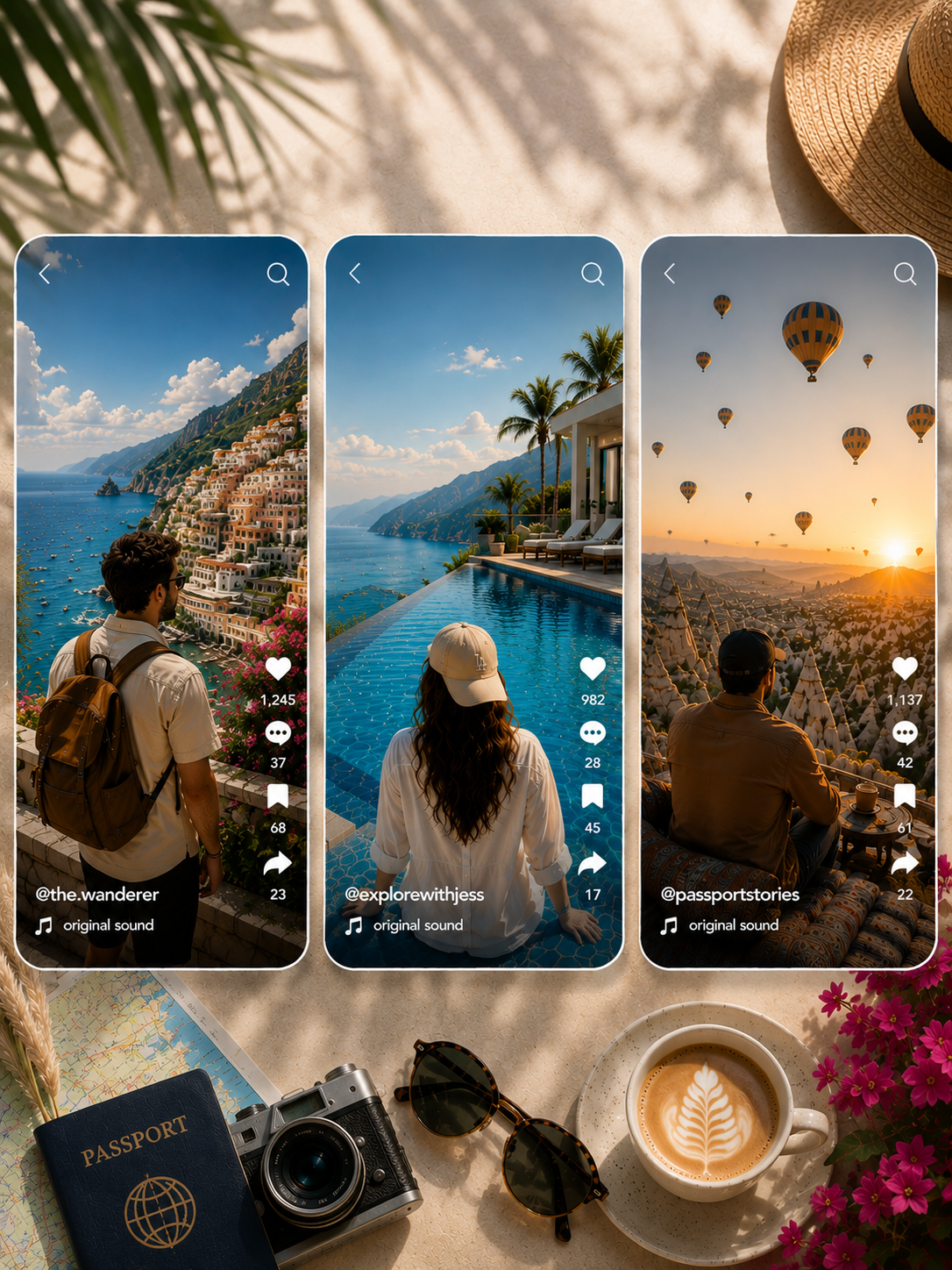
Influencer Marketing for Travel Brands: Complete Guide (2026)
Discover how travel brands use influencer marketing to build trust and drive bookings. Learn campaign types, creator selection tips, and how UGC boosts ROI

Top 10 Dance Influencers in India on Instagram in 2026
Discover the top 10 dance influencers in India on Instagram in 2026 — from Awez Darbar’s 30M+ followers to rising stars shaking up the scene. Find the perfect creator for your next influencer marketing campaign.

Top 10 Mom Influencers in India 2026
India is home to some of the most influential mom creators on Instagram, and in 2026, their impact on parenting culture and brand marketing has never been stronger. From Bollywood celebrities like Neha Dhupia and Debina Bonnerjee to niche experts like Dr. Pallavi Rao Chaturvedi, these women are shaping how millions of Indian mothers think, shop, and raise their children.