What Is Creator Marketing?
Creator marketing is how brands partner with content creators to reach real, engaged audiences through authentic content — not traditional ads. Learn what it is, how it works, and how to build a strategy that delivers results.
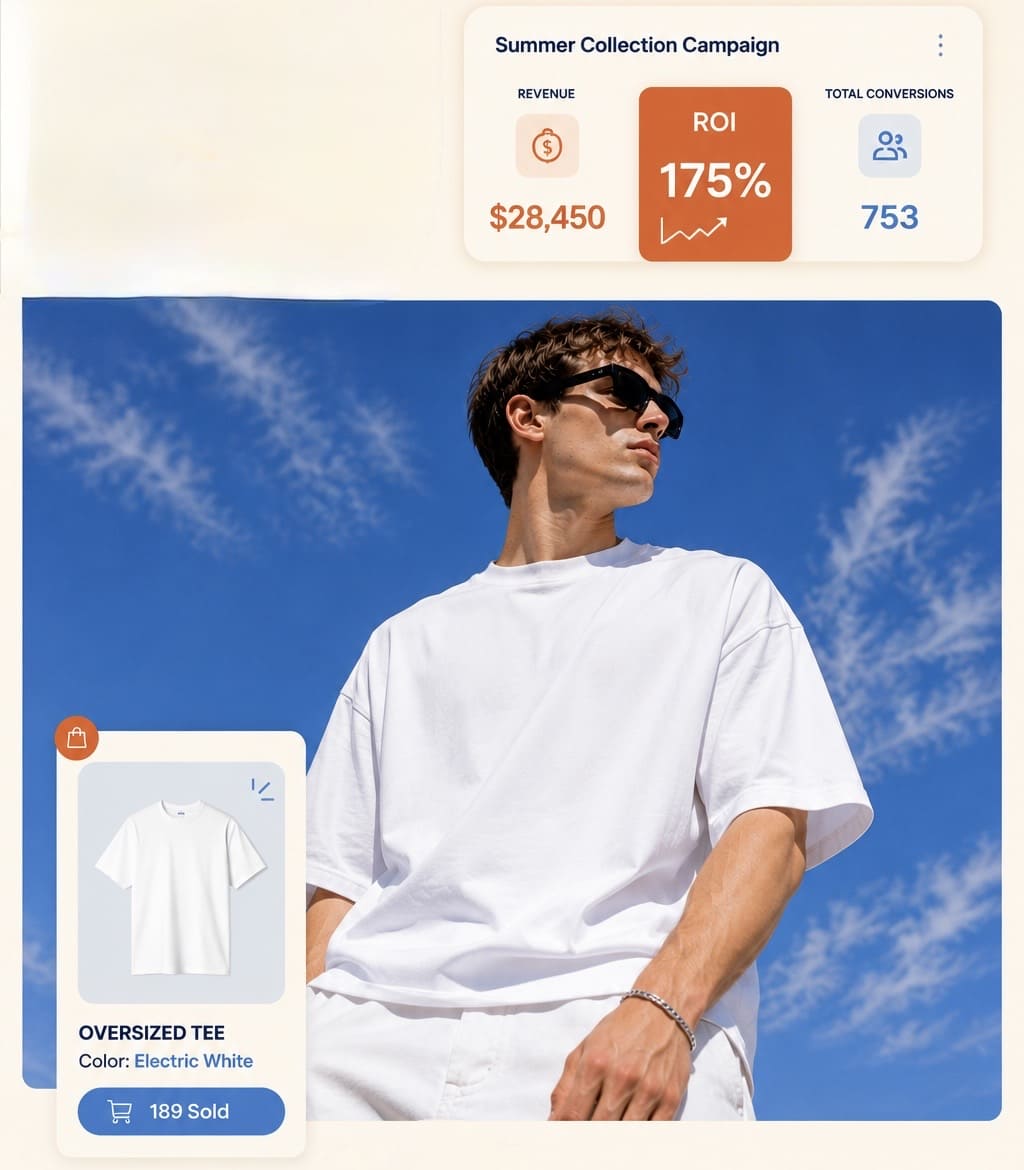
The way brands reach people has changed dramatically. Traditional ads are easy to skip, ignore, or block. But when a creator someone genuinely follows talks about a product, people actually listen. That shift is exactly what creator marketing is built on — and why it has become one of the most powerful strategies in modern digital marketing.
If you've been hearing the term more often lately and want to understand what it really means, how it works, and why it matters, this guide covers everything you need to know.
What Is Creator Marketing?
Creator marketing is a strategy where brands collaborate with content creators — people who produce original content on platforms like YouTube, Instagram, TikTok, LinkedIn, podcasts, newsletters, and blogs — to promote their products or services to an engaged audience.
Unlike traditional advertising, creator marketing feels organic. The promotion comes through a trusted voice that the audience has actively chosen to follow. The creator integrates the brand into their content in a way that feels natural to their style, rather than interrupting the viewer with a generic ad.
At its core, creator marketing is about authenticity, community, and trust — three things that traditional advertising often struggles to deliver.
Creator Marketing vs. Influencer Marketing: What's the Difference?
These two terms are often used interchangeably, but there is a meaningful distinction worth understanding.
Influencer marketing traditionally focused on reach. Brands partnered with social media personalities — often defined by their follower count — to get their message in front of as many eyeballs as possible. The emphasis was on audience size.
Creator marketing shifts the focus to the content itself. Creators are defined by what they make. They have a craft — whether it's filmmaking, writing, education, comedy, or lifestyle content — and they build an audience around that craft. Brands aren't just buying access to followers; they're buying into the creator's storytelling ability and the trust they've built with their community.
In short:
- Influencer marketing = audience size and social reach
- Creator marketing = content quality, creative skill, and authentic connection
In practice, many creators are also influencers, and the lines blur frequently. But thinking of your partnerships through a creator-first lens leads to better content, better results, and better long-term brand relationships.
Why Creator Marketing Works
There are several reasons why creator marketing has become a cornerstone of brand strategy across industries.
1. People Trust Creators More Than Brands
Study after study shows that consumers trust recommendations from people they follow more than ads from companies. A creator who has spent years building a loyal audience has a level of credibility that no ad budget can simply buy. When they recommend something, their audience takes it seriously.
2. Content Feels Native, Not Intrusive
Creator marketing fits into the content a person is already consuming. Instead of interrupting someone's experience, the brand becomes part of a video, article, or post they actually wanted to watch or read. This significantly reduces ad fatigue and increases engagement.
3. Audiences Are Already Engaged
Creators have done the hard work of building an engaged community. Brands that partner with the right creators tap into an audience that is already interested, active, and emotionally invested. That is far more valuable than a passive viewer who tuned in for something else.
4. It Scales in Every Direction
Creator marketing works for businesses of every size. A local brand can work with a micro-creator who has 5,000 highly engaged followers in a specific niche. A global brand can partner with dozens of creators across multiple platforms simultaneously. The model is flexible.
5. It Generates Reusable Content
When you partner with a creator, you often walk away with high-quality content that can be repurposed — on your website, in paid ads, across your own social channels. This adds long-term value beyond the initial campaign.
Types of Creator Marketing Campaigns
Creator marketing is not one-size-fits-all. There are several campaign formats, each suited to different goals.
Sponsored Content
The creator produces a post, video, or story that features your brand in exchange for payment. This is the most common format and can range from a quick mention to a full dedicated piece of content.
Product Seeding
Brands send products to creators without a formal paid agreement, hoping the creator will organically share their experience. This works well for brands with genuinely great products and requires no financial commitment upfront, but results are not guaranteed.
Long-Term Brand Partnerships
Instead of a one-off post, the brand becomes a recurring part of a creator's content over months or even years. These partnerships build deeper credibility because the creator's endorsement is consistent and repeated — not a single paid mention.
Affiliate and Commission Programs
Creators earn a commission for every sale driven through their unique link or discount code. This performance-based model aligns the creator's incentives with the brand's, and it's relatively low-risk for the brand.
Co-Created Products
Some brands go further and develop products in collaboration with a creator — giving them input on design, ingredients, features, or naming. This drives massive engagement because the creator's audience feels personally invested in the product's success.
Takeovers and Live Activations
A creator temporarily takes control of the brand's social channels, or participates in a live event. This exposes the brand's own channels to a new audience while giving the creator a fresh platform to engage with.
How to Build a Creator Marketing Strategy
Running a successful creator marketing campaign requires more than just finding someone with a big following and sending them a message. Here's how to approach it strategically.
Step 1: Define Your Goals
What are you trying to achieve? Brand awareness, website traffic, direct sales, email sign-ups, or something else? Your goal shapes every decision that follows — which creators to approach, what kind of content to request, and how you'll measure success.
Step 2: Know Your Audience
Before you can find the right creator, you need a clear picture of who you're trying to reach. Age, interests, platforms they use, problems they have — the more specific you are, the easier it is to find a creator whose community matches your ideal customer.
Step 3: Find the Right Creators
Look beyond follower count. Engagement rate, content quality, audience demographics, and tone are all more important indicators of fit. A creator with 15,000 deeply engaged followers in your niche will almost always outperform one with 500,000 passive followers who barely interact.
You can find creators through:
- Creator marketplaces and platforms
- Hashtag and keyword searches on social media
- Listening for who your existing customers already follow
- Referrals from creators you've already worked with
Step 4: Reach Out the Right Way
Personalization matters here. A generic copy-paste outreach email is easy to spot and easy to ignore. Show that you've actually consumed the creator's content and explain specifically why you think there's a genuine fit. Creators receive a lot of pitches — make yours stand out.
Step 5: Brief Clearly, But Give Creative Freedom
Provide a clear brief that covers your brand's key messages, any mandatory inclusions, and the campaign goals. Then step back and let the creator do their job. Micromanaging the content defeats the purpose — the creator knows their audience better than you do, and overly scripted content kills authenticity.
Step 6: Measure and Optimize
Track the metrics that align with your goals: views, clicks, conversions, engagement rate, reach, and revenue. Use this data not just to evaluate individual campaigns but to refine your approach over time — testing different creators, formats, and messaging.
Choosing the Right Creator: What Actually Matters
The creator you choose can make or break a campaign. Here are the factors that matter most:
- Audience alignment: Does their audience match your target customer in age, interests, and buying behavior?
- Engagement quality: Are their comments real conversations, or generic emoji reactions? Authentic engagement signals a genuine community.
- Content quality: Does the creator produce content that reflects well on brands they work with? Review their past partnerships.
- Values alignment: Does the creator's personal brand and content style align with your brand's identity? Mismatches are immediately visible to audiences.
- Track record: Have they worked with brands before? How did those campaigns perform?
- Platform fit: Is the platform they create on where your audience actually spends time?
Common Creator Marketing Mistakes to Avoid
Even well-resourced brands make these mistakes — knowing them ahead of time helps you sidestep them.
Chasing Follower Count Over Fit
A massive following means nothing if the audience isn't remotely interested in what you sell. Niche relevance always beats raw numbers.
Over-Controlling the Creative
When brands insist on rigid scripts and remove all creative autonomy, the content feels like an ad — and the audience knows it. Trust the creator to do what they do best.
Treating It as a One-Off Transaction
Single sponsored posts rarely build meaningful brand awareness. Relationships with creators compound over time. Long-term partnerships drive far better results than a single mention.
Ignoring FTC Disclosure Requirements
Paid partnerships must be disclosed clearly and conspicuously. This is a legal requirement in most markets, not optional. Make sure both you and your creator partners are following the rules.
Skipping the Brief
Assuming a creator "gets it" without a proper brief leads to content that misses the mark. Invest time in a clear, well-structured brief — even if the actual creative execution is left entirely to them.
The Future of Creator Marketing
Creator marketing is not a passing trend. As trust in traditional advertising continues to decline and platforms continue to prioritize creator content, the importance of genuine human voices in brand communication will only grow.
Several shifts are shaping where creator marketing is heading:
- AI-assisted creator tools are making content production faster and higher quality at every level.
- Short-form video continues to dominate, with platforms like TikTok and Instagram Reels driving massive engagement for brand content.
- The rise of the nano-creator — creators with under 10,000 followers who have extraordinarily tight-knit communities — is opening creator marketing to brands of all sizes and budgets.
- B2B creator marketing is gaining serious traction on LinkedIn and through podcasts, newsletters, and YouTube, as business buyers increasingly trust peer voices over vendor claims.
- Performance-based partnerships are becoming more common, aligning creator compensation with real business outcomes rather than upfront flat fees.
Brands that build genuine relationships with creators today are positioning themselves for long-term competitive advantage as these trends accelerate.
Frequently Asked Questions About Creator Marketing
What is the difference between a creator and an influencer?
A creator is defined primarily by the content they produce — their craft, skill, and creative output. An influencer is typically defined by their social reach and ability to shape opinions within their audience. Many people are both, but creator marketing places greater emphasis on the quality and authenticity of the content itself, rather than just the size of the audience.
How much does creator marketing cost?
Costs vary enormously depending on the creator's platform, audience size, content format, and usage rights. Nano-creators (under 10K followers) may work for free products or a few hundred dollars. Mid-tier creators typically charge anywhere from $1,000 to $10,000 per piece of content. Top-tier creators and celebrities can command $50,000 or more per post. Many brands start small with micro-creators and scale as they see results.
Which platforms are best for creator marketing?
It depends entirely on where your target audience spends their time. Instagram and TikTok are strong for consumer lifestyle brands. YouTube suits products that benefit from detailed reviews or tutorials. LinkedIn works well for B2B and professional services. Podcasts are effective for high-trust, high-consideration purchases. The right platform is where your ideal customer is most active and receptive.
How do I measure the success of a creator marketing campaign?
Define your key performance indicators (KPIs) before the campaign launches. Common metrics include reach and impressions, engagement rate (likes, comments, shares), click-through rate to your website, conversion rate, discount code or affiliate link usage, and cost per acquisition. The right metrics depend on your campaign goal — brand awareness campaigns are measured differently than direct-response campaigns.
Do I need a large budget to get started with creator marketing?
No. Creator marketing is one of the most accessible forms of digital marketing for smaller brands and budgets. Product seeding requires no upfront cash — just the cost of the product. Affiliate programs are performance-based, so you only pay when you make a sale. Starting with a handful of micro or nano creators is an affordable way to test the approach before committing larger budgets.
How do I find the right creators for my brand?
Start by thinking about who your ideal customer already follows. Search relevant hashtags and keywords on the platforms your audience uses. Explore creator marketplaces that allow filtering by niche, engagement rate, and audience demographics. You can also ask your existing customers directly — they'll often point you toward creators they trust in your space.
Is creator marketing only for B2C brands?
Absolutely not. B2B creator marketing is growing rapidly, particularly through LinkedIn thought leaders, industry podcasts, and niche YouTube channels. Business buyers are humans who are influenced by trusted voices just like consumers. If your audience includes professionals or business decision-makers, there are creators speaking directly to them every day.
What should I include in a creator brief?
A good creator brief includes: background on your brand and the specific product or campaign, the goal of the collaboration, key messages or talking points you want included, any hard requirements (disclosure language, specific claims to avoid, product usage instructions), the deliverables you expect (number of posts, format, length), timeline and deadlines, and payment or compensation details. Keep it clear and concise — a good brief empowers, not restricts.
Continue Reading
Related influencer marketing insights
Influencer Marketing for Travel Brands: Complete Guide (2026)
Discover how travel brands use influencer marketing to build trust and drive bookings. Learn campaign types, creator selection tips, and how UGC boosts ROI
Top 10 Dance Influencers in India on Instagram in 2026
Discover the top 10 dance influencers in India on Instagram in 2026 — from Awez Darbar’s 30M+ followers to rising stars shaking up the scene. Find the perfect creator for your next influencer marketing campaign.
Top 10 Mom Influencers in India 2026
India is home to some of the most influential mom creators on Instagram, and in 2026, their impact on parenting culture and brand marketing has never been stronger. From Bollywood celebrities like Neha Dhupia and Debina Bonnerjee to niche experts like Dr. Pallavi Rao Chaturvedi, these women are shaping how millions of Indian mothers think, shop, and raise their children.