How to Run a Successful Influencer Marketing Campaign in 2026
The influencer marketing industry is set to surpass $35 billion in 2026. Learn how to plan, execute, and measure a successful influencer marketing campaign — from choosing the right creators and platforms to tracking ROI that actually matters. Your step-by-step playbook starts here.
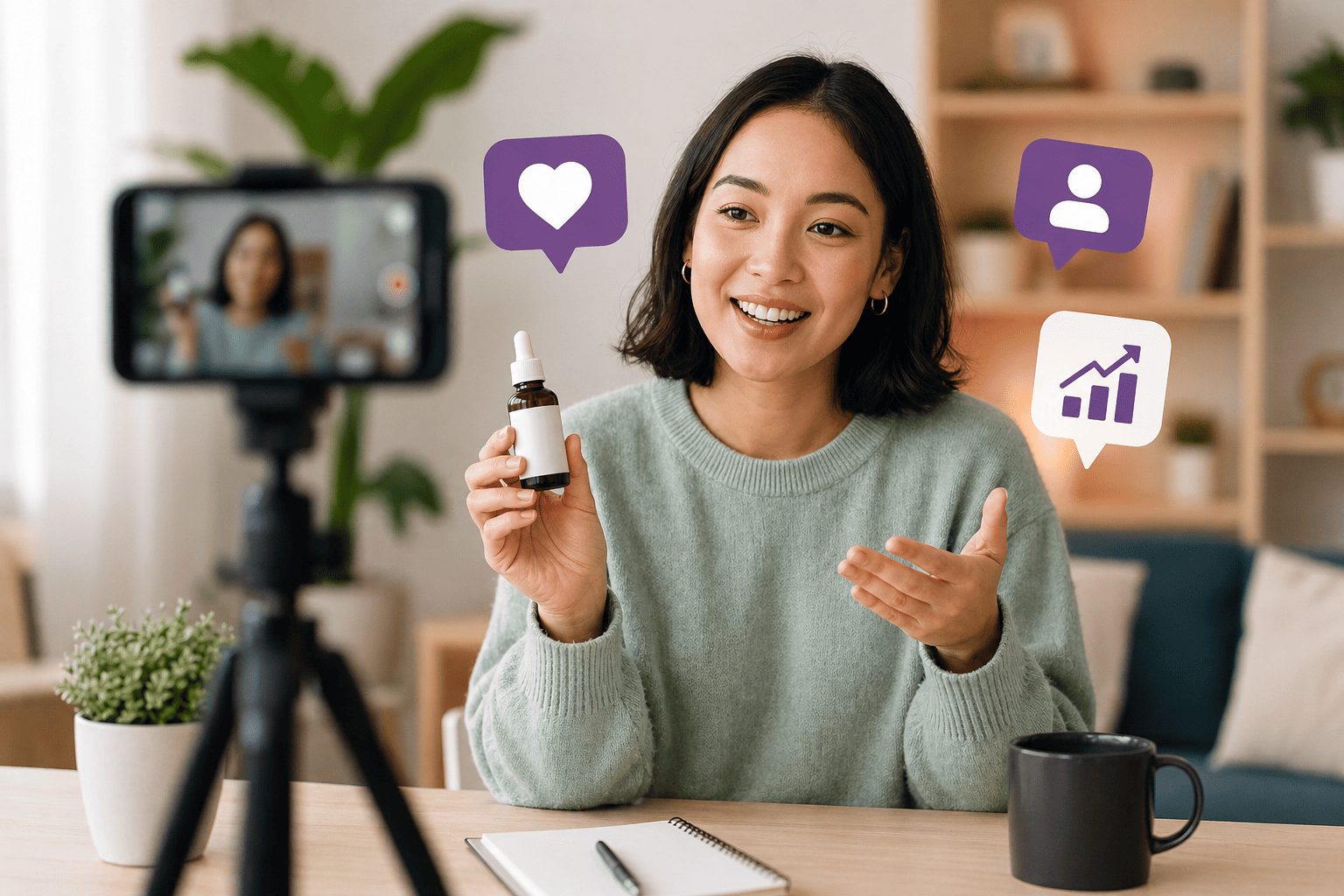
Influencer marketing has evolved from a buzzword into one of the most powerful growth channels for brands in 2026. But success doesn't happen by chance — it takes the right strategy, the right creators, and a clear plan from start to finish.
The global influencer marketing campaign industry is projected to surpass \$35 billion in 2026, and brands that approach it strategically are seeing returns that outperform traditional advertising. Whether you're launching your first campaign or scaling an existing program, this guide covers everything you need to know.
Why Influencer Marketing Still Dominates in 2026
Consumer trust in traditional advertising continues to erode. People are far more likely to act on a recommendation from a creator they follow than on a banner ad or TV commercial. In 2026, this dynamic is more pronounced than ever — audiences are sophisticated, ad-blockers are widespread, and authenticity is the currency that matters most.
Key reasons influencer marketing remains essential:
- Trust at scale: Creators have built genuine relationships with their audiences over years.
- Precise targeting: Niche creators reach exactly the audience you need.
- Content efficiency: Influencers produce high-quality content that brands can repurpose.
- Measurable ROI: Modern platforms provide granular performance data.
💡 Key Stat: According to industry reports, brands earn an average of \$5.20 for every \$1 spent on influencer marketing — and top-performing campaigns see returns of 10x or more.
Step-by-Step: How to Run a Successful Influencer Marketing Campaign
-
Define Your Goals and KPIs
Before anything else, decide what success looks like. Are you driving brand awareness, website traffic, app downloads, or direct sales? Your goal shapes every decision that follows — platform choice, creator type, content format, and budget.
-
Know Your Target Audience
Map out your ideal customer — demographics, interests, preferred platforms, and the type of content they engage with. This profile is the filter through which you'll evaluate every potential influencer.
-
Choose the Right Type of Influencer
Match creator size to your objectives. Nano and micro-influencers drive high engagement at lower cost; macro and mega-influencers deliver mass reach. Most brands in 2026 run a tiered mix.
-
Find and Vet Creators
Use influencer discovery platforms to find creators with authentic audiences, strong engagement rates, and brand-safe content. Check for fake followers, past partnerships, and audience demographics.
-
Set Your Budget
Allocate budget across creator fees, content production, paid amplification, and platform tools. Leave room for testing — not every creator or format will perform equally.
-
Create a Clear Brief
Give creators direction without stifling their voice. A great brief includes campaign goals, key messages, do's and don'ts, posting schedule, and required disclosures (e.g., #ad, #sponsored).
-
Track, Measure, and Optimize
Use UTM parameters, unique discount codes, and platform analytics to track performance in real time. Optimize mid-campaign by doubling down on what's working.
Choosing the Right Influencer Tier for Your Campaign
Not all influencers are created equal. The right tier depends on your goals, budget, and the level of trust and engagement you need to drive results.
| Tier | Followers | Avg. Engagement | Best For |
|---|---|---|---|
| Nano | 1K – 10K | 5–8% | Hyper-local, community campaigns |
| Micro | 10K – 100K | 3–6% | Niche audiences, high authenticity |
| Macro | 100K – 1M | 1–3% | Brand awareness, mid-size reach |
| Mega / Celebrity | 1M+ | 0.5–1.5% | Mass reach, brand prestige |
💚 Pro Tip: In 2026, micro-influencers (10K–100K) consistently deliver the best cost-per-engagement. Consider running campaigns with 10–20 micro-creators instead of one large account.
The Best Platforms for Influencer Marketing in 2026
Platform choice depends on your product, audience, and content format. Here's where the action is in 2026:
TikTok
Still the dominant force for discovery and viral reach. Short-form video drives extraordinary organic spread, especially for consumer products, fashion, beauty, food, and entertainment. TikTok Shop integrations now make in-app purchases seamless, shortening the path to conversion.
Reels continue to drive reach, while Stories and DMs keep conversion rates high. Instagram remains the go-to for lifestyle, luxury, travel, and B2C brands targeting 25–45 year olds.
YouTube
Long-form content builds deep trust. YouTube Shorts supplement the algorithm. The platform is especially powerful for tech, finance, fitness, and education where detailed reviews and tutorials matter.
Emerging Platforms
Lemon8, Substack's creator ecosystem, and decentralized platforms like Farcaster are attracting high-trust niche audiences. Early movers are seeing strong engagement with less competition.
Legal and Compliance: What You Must Know in 2026
Regulatory scrutiny of influencer marketing has intensified globally. The FTC in the US, the ASA in the UK, and equivalent bodies in the EU now enforce stricter disclosure standards. Non-compliance can result in fines for both brands and creators.
- Always require clear disclosures: #ad, #sponsored, or #partnership must be prominent — not buried in a caption.
- AI-generated content must be disclosed in several jurisdictions.
- Affiliate links must comply with platform-specific terms and local law.
- Maintain written contracts with all influencers covering deliverables, usage rights, exclusivity, and FTC compliance.
Measuring ROI: Metrics That Actually Matter
Vanity metrics like follower counts and raw impressions tell only part of the story. For a successful influencer marketing campaign in 2026, focus on metrics tied to business outcomes:
- Engagement Rate: Likes, comments, shares, and saves relative to reach.
- Click-Through Rate (CTR): How many viewers took action and visited your site or landing page.
- Conversion Rate: Of those who clicked, how many purchased, signed up, or completed your target action.
- Cost Per Acquisition (CPA): Total campaign spend divided by number of conversions.
- Earned Media Value (EMV): The estimated value of organic reach generated by the campaign.
- Brand Sentiment: Qualitative shifts in how audiences perceive your brand post-campaign.
Common Mistakes to Avoid
Even experienced marketers fall into these traps. Avoid them to protect your budget and your brand:
- Chasing follower count over engagement: A 500K account with 0.3% engagement will underperform a 50K account with 6% engagement.
- Over-scripting creators: Authenticity is why influencers work. Give direction, not a script.
- Skipping the contract: Verbal agreements fall apart. Always document deliverables, timelines, and usage rights.
- One-and-done campaigns: Long-term creator relationships build far more trust than one-off posts.
- Ignoring the comment section: Audience reactions in comments reveal whether the campaign is landing — or backfiring.
Building Long-Term Creator Relationships
The highest-performing brands in 2026 treat influencers as long-term partners, not transactional vendors. Creators who genuinely use and love your product become your most authentic advocates — and their audiences can tell the difference.
Invest in relationships by offering exclusives, early product access, co-creation opportunities, and fair compensation. Creators who feel valued produce better content and stay loyal to your brand, compounding your investment over time. For a deeper dive into managing these partnerships at scale, explore Strwbery's influencer marketing platform.
Frequently Asked Questions
How much does an influencer marketing campaign cost in 2026?
Costs vary widely. Nano-influencers may charge \$100–\$500 per post, while macro-influencers and celebrities can charge \$10,000–\$100,000+. Most small-to-mid brands budget between \$5,000 and \$50,000 per campaign, allocating across multiple creators, content production, and paid amplification.
What metrics should I track for an influencer marketing campaign?
Key metrics include engagement rate, reach, impressions, click-through rate (CTR), conversions, cost per acquisition (CPA), and return on investment (ROI). Track these using UTM links, unique promo codes, and native platform analytics dashboards.
Which platforms are best for influencer marketing in 2026?
TikTok, Instagram, and YouTube remain the dominant channels. TikTok leads for discovery and viral reach; Instagram excels for lifestyle and conversion; YouTube is best for long-form trust-building. Emerging platforms like Lemon8 offer early-mover advantages for niche brands.
How do I find the right influencer for my brand?
Prioritize audience alignment, authentic engagement, and content quality over raw follower counts. Vet creators for fake followers, audience demographics, and brand-safe history. Platforms like Strwbery streamline creator discovery and vetting.
Is influencer marketing still effective in 2026?
Absolutely. The influencer marketing industry is on track to surpass \$35 billion globally in 2026. Brands that invest in authentic creator partnerships and measure performance rigorously continue to see strong returns — often outperforming paid social and search advertising.
Do influencers need to disclose paid partnerships?
Yes. In most markets including the US, UK, and EU, paid partnerships must be clearly disclosed using labels like #ad, #sponsored, or #partnership. Failure to disclose can result in regulatory fines for both the brand and the creator. Always include compliance requirements in your influencer contracts.
Continue Reading
Related influencer marketing insights
Influencer Marketing for Travel Brands: Complete Guide (2026)
Discover how travel brands use influencer marketing to build trust and drive bookings. Learn campaign types, creator selection tips, and how UGC boosts ROI

Top 10 Dance Influencers in India on Instagram in 2026
Discover the top 10 dance influencers in India on Instagram in 2026 — from Awez Darbar’s 30M+ followers to rising stars shaking up the scene. Find the perfect creator for your next influencer marketing campaign.

Top 10 Mom Influencers in India 2026
India is home to some of the most influential mom creators on Instagram, and in 2026, their impact on parenting culture and brand marketing has never been stronger. From Bollywood celebrities like Neha Dhupia and Debina Bonnerjee to niche experts like Dr. Pallavi Rao Chaturvedi, these women are shaping how millions of Indian mothers think, shop, and raise their children.