Influencer Marketing Trends for 2026: The Complete Guide to What's Next
The influencer marketing industry has undergone a seismic transformation over the past few years. What started as brands paying celebrities to post a photo with a product has evolved into a sophisticated..
Influencer Marketing Trends for 2026: The Complete Guide to What's Next
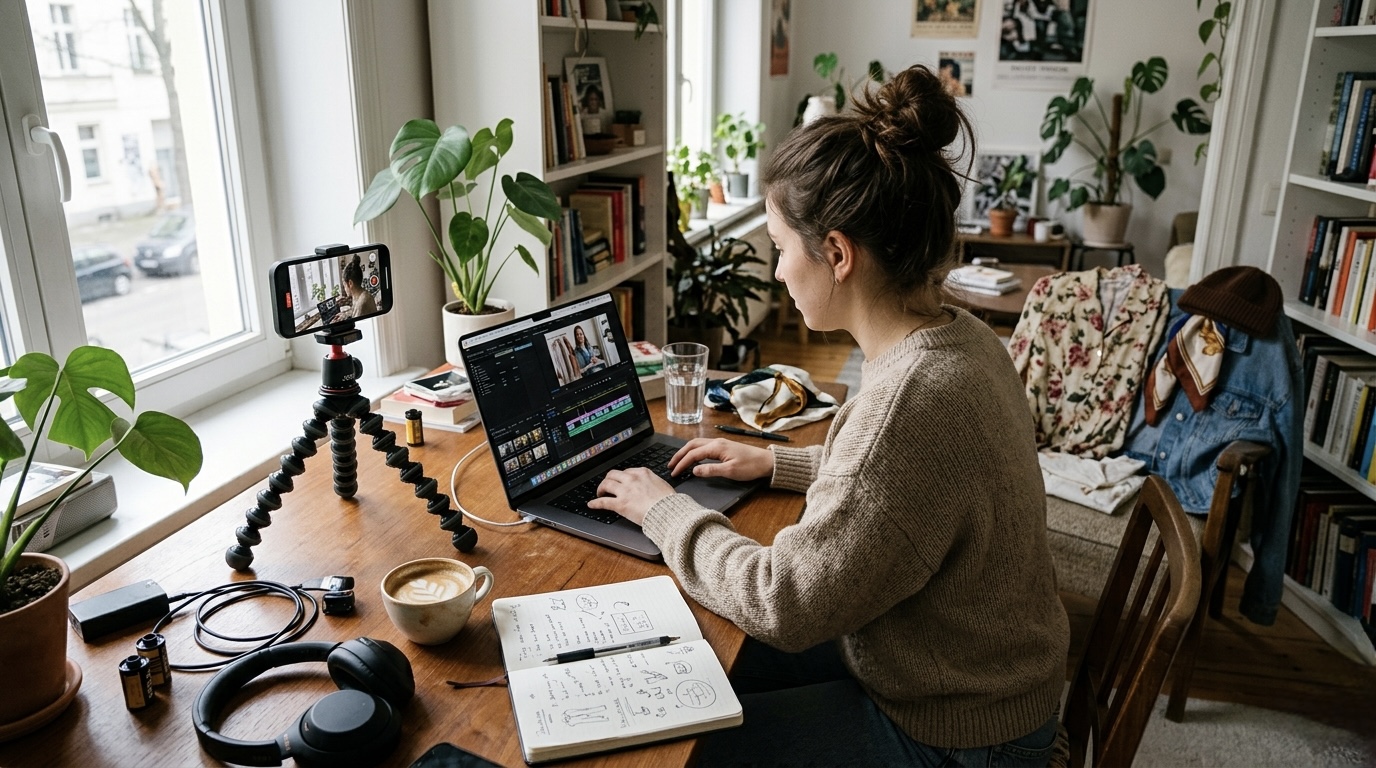
The influencer marketing industry has undergone a seismic transformation over the past few years. What started as brands paying celebrities to post a photo with a product has evolved into a sophisticated, data-driven ecosystem worth over \$30 billion globally. As we look ahead, the influencer marketing trends for 2026 promise to redefine how brands connect with audiences, build trust, and drive revenue.
Whether you're a brand strategist, a content creator, or a marketing professional trying to stay ahead of the curve, understanding these emerging trends is essential. In this comprehensive guide, we'll break down the most impactful influencer marketing trends 2026 that will shape the industry — and how you can leverage them to gain a competitive edge.
For expert insights and cutting-edge digital marketing strategies, be sure to explore the resources available at Strwbery.
1. AI-Powered Influencer Discovery and Campaign Management
Artificial intelligence is no longer a futuristic concept in marketing — it's the backbone of modern influencer campaigns. In 2026, AI will play an even more dominant role in every stage of influencer marketing, from discovery to performance analysis.
Advanced AI algorithms will enable brands to identify the perfect influencers based on hyper-specific audience demographics, engagement authenticity, content style, and even sentiment analysis. Gone are the days of manually scrolling through social profiles. AI platforms will match brands with influencers whose audiences align precisely with campaign goals.
Beyond discovery, AI will automate content approval workflows, predict campaign ROI before launch, and provide real-time optimization recommendations. Brands that embrace AI-driven influencer marketing in 2026 will see significantly higher returns on their investment compared to those relying on traditional methods.
Machine learning models will also become increasingly adept at detecting fraudulent engagement — fake followers, bot comments, and artificially inflated metrics. This means brands can invest with confidence, knowing their influencer partners deliver genuine reach and impact.
2. The Rise of Nano and Micro-Influencers
One of the most significant influencer marketing trends for 2026 is the continued shift toward nano-influencers (1K–10K followers) and micro-influencers (10K–100K followers). While mega-influencers and celebrities still have their place, brands are recognizing that smaller creators often deliver superior engagement rates, higher trust, and better conversion metrics.
Nano and micro-influencers typically have deeply engaged communities built around specific niches — whether that's sustainable fashion, home cooking, indie gaming, or fitness for new mothers. Their recommendations feel authentic and personal, which resonates powerfully with audiences who are increasingly skeptical of polished, big-budget endorsements.
In 2026, expect to see more brands building long-term ambassador programs with networks of nano and micro-influencers rather than investing in one-off celebrity posts. This approach not only reduces costs but also creates a more organic and sustained brand presence across multiple communities.
The team at Strwbery has been closely tracking this shift and offers valuable guidance on how brands can build effective micro-influencer strategies.
3. Long-Term Partnerships Over One-Off Campaigns
The transactional, one-post-and-done model of influencer marketing is fading fast. In 2026, the most successful brands will prioritize long-term partnerships with influencers who genuinely align with their values and mission.
These ongoing relationships create a sense of authenticity that consumers can feel. When an influencer consistently features a brand over months or even years, their audience perceives the endorsement as a genuine recommendation rather than a paid advertisement. This builds deeper trust and stronger brand recall.
Long-term partnerships also benefit influencers, giving them stable income and creative freedom to integrate products naturally into their content. This symbiotic relationship leads to higher-quality content, better storytelling, and ultimately, more meaningful results for both parties.
Brands investing in ambassador programs, co-creation initiatives, and equity-based influencer deals will lead the pack in 2026.
4. Video-First and Short-Form Content Dominance
Video content has been king for a while, but in 2026, it will be the undisputed emperor of influencer marketing. Platforms like TikTok, Instagram Reels, YouTube Shorts, and emerging competitors will continue to prioritize short-form video content in their algorithms.
Influencers who can tell compelling stories in 15 to 60 seconds will be in the highest demand. The ability to capture attention instantly, deliver value quickly, and inspire action in a brief window is a skill that brands will pay a premium for.
However, long-form video isn't dead. YouTube and podcast-style content will remain valuable for deeper storytelling, product reviews, and educational content. The smartest influencer marketing strategies in 2026 will blend short-form content for awareness and reach with long-form content for trust-building and conversion.
Live streaming will also see a resurgence, particularly in the e-commerce space. Live shopping events hosted by influencers — already massive in Asian markets — will become mainstream in Western markets by 2026, creating real-time purchase opportunities driven by influencer recommendations.
5. The Growth of Social Commerce and Shoppable Content
Social commerce is one of the influencer marketing trends 2026 that brands simply cannot afford to ignore. The line between content consumption and shopping is disappearing, and influencers are at the center of this convergence.
Platforms are aggressively rolling out native shopping features — in-app checkout, product tagging, shoppable stories, and affiliate storefronts. In 2026, influencers won't just inspire purchases; they'll facilitate them directly within the content experience.
This means that influencer marketing ROI will become easier to track and attribute. Brands will have clearer visibility into which creators drive actual sales, not just impressions. Performance-based compensation models — such as commission-based partnerships and affiliate deals — will become the norm.
For brands looking to build effective social commerce strategies powered by influencer partnerships, Strwbery provides actionable frameworks and expert consulting.
6. Authenticity and Transparency as Non-Negotiables
Consumer trust is the currency of influencer marketing, and in 2026, authenticity and transparency will be more critical than ever. Audiences are increasingly savvy — they can spot inauthentic endorsements from a mile away, and they won't hesitate to unfollow creators who compromise their integrity for a paycheck.
Regulatory bodies worldwide are also tightening guidelines around sponsored content disclosure. In 2026, expect stricter enforcement of FTC guidelines, EU regulations, and similar frameworks globally. Influencers and brands that fail to clearly disclose partnerships risk legal penalties and, more importantly, audience backlash.
The trend toward authenticity also means that "imperfect" content will outperform polished, studio-quality posts. Raw, behind-the-scenes, and unfiltered content resonates because it feels real. Brands that give influencers creative freedom — rather than scripting every word — will see the best results.
7. The Emergence of Virtual Influencers and AI Creators
Virtual influencers — computer-generated characters with social media profiles, personalities, and engaged followings — are no longer a novelty. By 2026, they will be a significant force in the influencer marketing landscape.
Brands like Prada, Samsung, and Calvin Klein have already collaborated with virtual influencers like Lil Miquela and Imma. In 2026, we'll see more brands creating their own proprietary virtual influencers or partnering with existing ones to reach younger, digitally native audiences.
The appeal of virtual influencers lies in their controllability — no scandals, no scheduling conflicts, and complete brand alignment. However, the challenge remains in building genuine emotional connections with audiences. The most successful virtual influencers in 2026 will be those with rich backstories, relatable personalities, and consistent engagement with their communities.
AI-generated content creators will also rise, using generative AI tools to produce high-quality content at scale. This blurs the line between human and AI-driven influence, raising important ethical questions that the industry will need to address.
8. Cross-Platform and Omnichannel Influencer Strategies
In 2026, limiting influencer campaigns to a single platform will be a missed opportunity. The most effective strategies will be cross-platform, leveraging influencers who have strong presences across TikTok, Instagram, YouTube, LinkedIn, Pinterest, and emerging platforms.
Omnichannel influencer marketing ensures that brand messages reach audiences at multiple touchpoints, reinforcing awareness and driving conversions through repeated exposure. An influencer might create a TikTok teaser, an Instagram carousel with product details, a YouTube tutorial, and a blog review — all as part of a single integrated campaign.
This approach also helps brands mitigate platform risk. Algorithm changes, policy updates, or even platform declines can impact campaign performance. Diversifying across channels provides stability and broader reach.
9. Data-Driven Performance Metrics Beyond Vanity Numbers
The days of measuring influencer success purely by likes and follower counts are over. In 2026, brands will demand sophisticated performance metrics that tie directly to business outcomes.
Key metrics will include:
- Earned Media Value (EMV): The equivalent advertising cost of the organic reach generated.
- Customer Acquisition Cost (CAC): How much it costs to acquire a customer through influencer channels.
- Lifetime Value (LTV) of Influencer-Acquired Customers: Measuring the long-term revenue impact.
- Brand Sentiment Shift: Using AI to measure how influencer campaigns impact audience perception.
- Attribution Modeling: Multi-touch attribution to understand the influencer's role in the full customer journey.
Advanced analytics dashboards and third-party measurement tools will become standard, giving brands granular insights into every dollar spent on influencer partnerships.
10. Niche Communities and the Decentralization of Influence
Influence is becoming decentralized. In 2026, the most powerful influencers won't necessarily be those with the largest followings — they'll be the ones who lead highly engaged niche communities.
Platforms like Discord, Reddit, Substack, and private membership communities are creating spaces where influence is concentrated among trusted voices within specific interest groups. Brands that can identify and partner with these community leaders will access audiences that are incredibly targeted and ready to convert.
This trend aligns with the broader movement toward community-led growth, where brand advocacy comes from genuine community members rather than external endorsers.
Preparing Your Brand for 2026
The influencer marketing trends for 2026 paint a picture of an industry that is maturing, becoming more data-driven, and placing authenticity at its core. To succeed, brands must:
- Invest in AI tools for influencer discovery and campaign optimization.
- Build long-term relationships with nano and micro-influencers.
- Embrace video-first content strategies across multiple platforms.
- Integrate social commerce into every influencer campaign.
- Prioritize transparency and give influencers creative freedom.
- Measure success through meaningful, business-aligned metrics.
The brands that adapt to these trends early will not only survive the evolving landscape — they'll thrive in it.
For more expert guidance on navigating the future of digital marketing and influencer strategy, visit Strwbery — your partner in building smarter, more effective marketing campaigns.
Final Thoughts
Influencer marketing in 2026 isn't just about paying someone to post about your product. It's about building authentic relationships, leveraging cutting-edge technology, and creating genuine value for audiences. The trends outlined above represent a fundamental evolution in how brands and creators collaborate — and the opportunities are enormous for those willing to embrace change.
Stay informed, stay agile, and most importantly, stay authentic. The future of influencer marketing belongs to those who put people — both creators and consumers — at the center of everything they do.
Continue Reading
Related influencer marketing insights
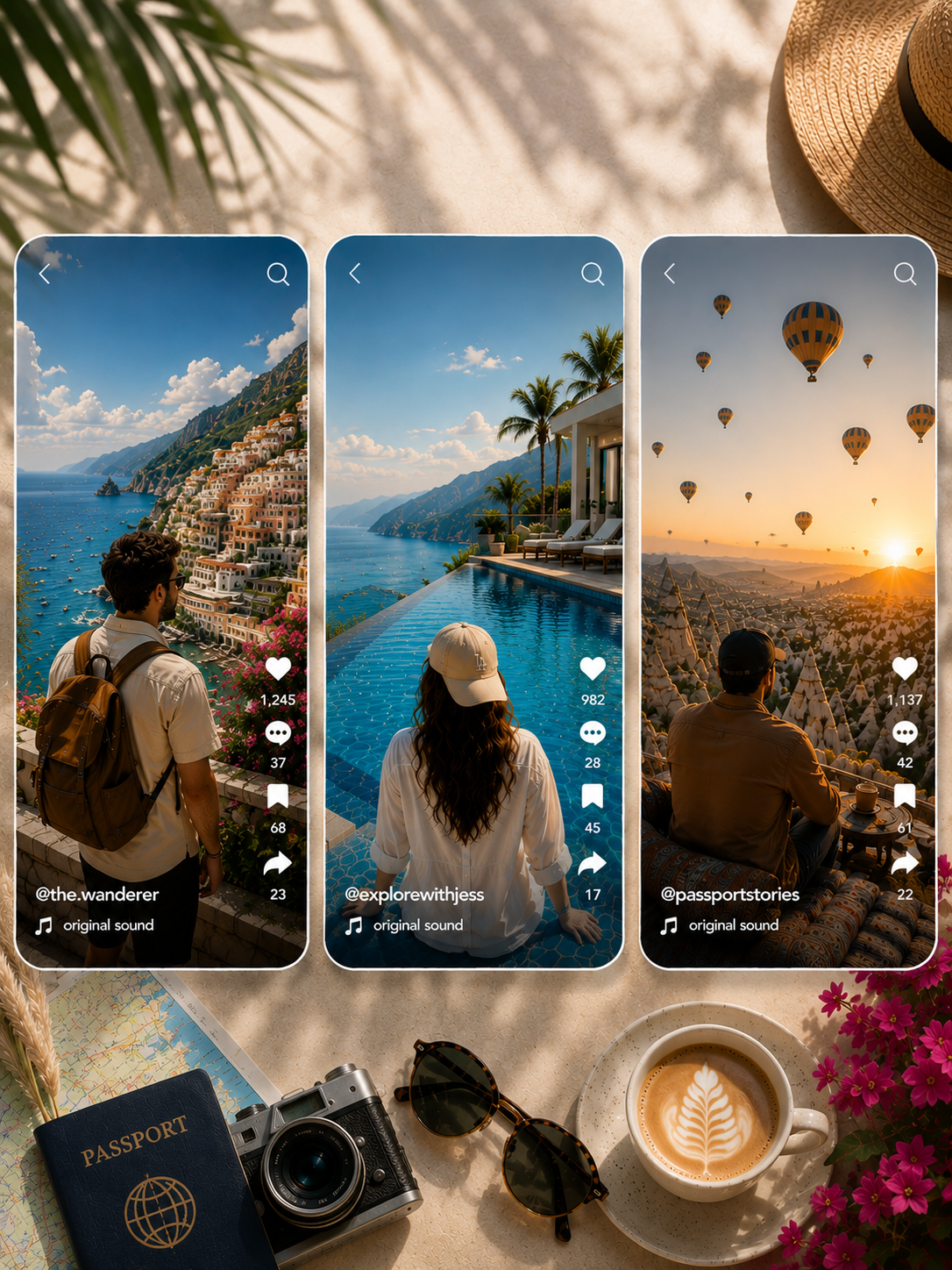
Influencer Marketing for Travel Brands: Complete Guide (2026)
Discover how travel brands use influencer marketing to build trust and drive bookings. Learn campaign types, creator selection tips, and how UGC boosts ROI
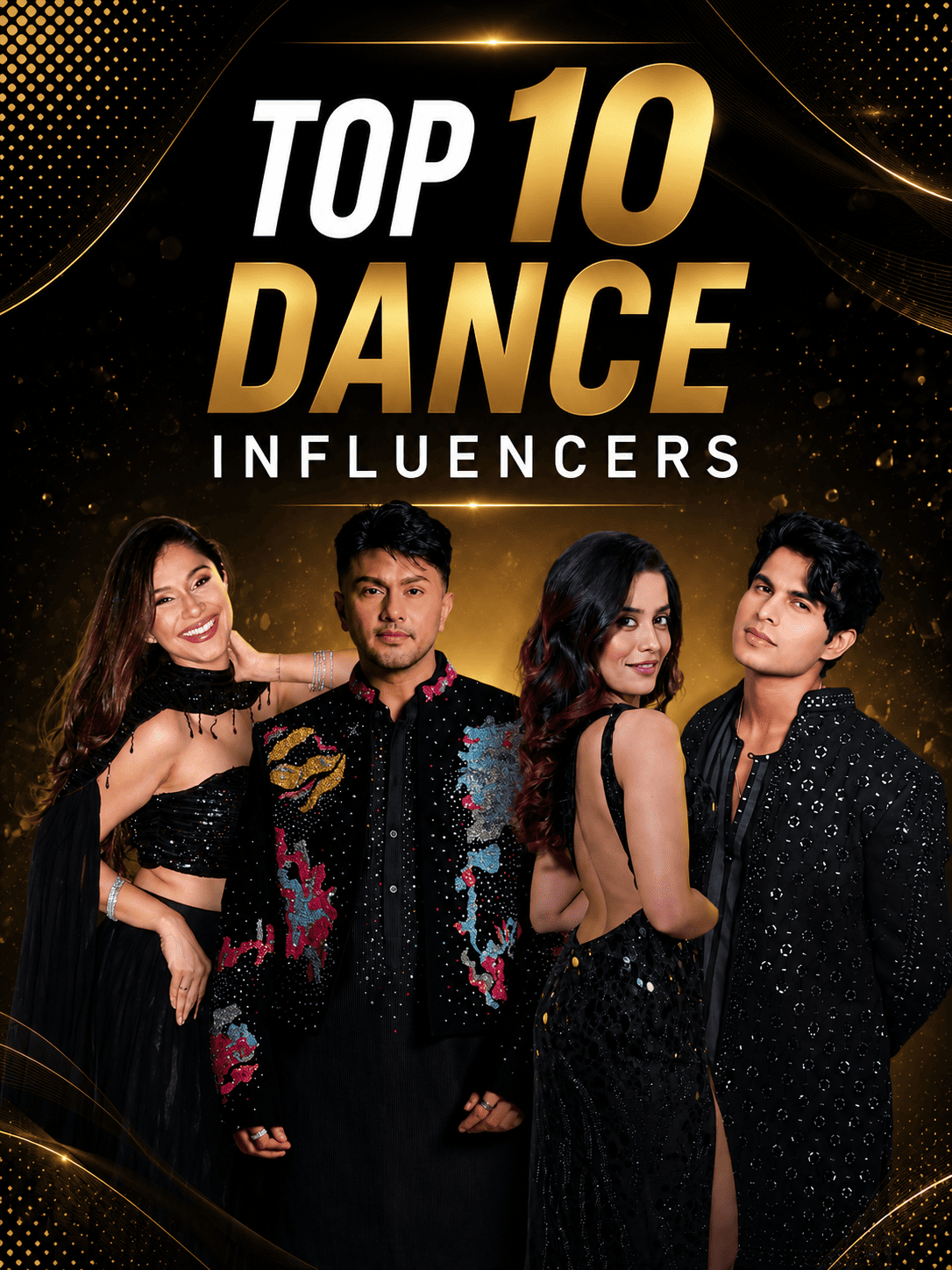
Top 10 Dance Influencers in India on Instagram in 2026
Discover the top 10 dance influencers in India on Instagram in 2026 — from Awez Darbar’s 30M+ followers to rising stars shaking up the scene. Find the perfect creator for your next influencer marketing campaign.
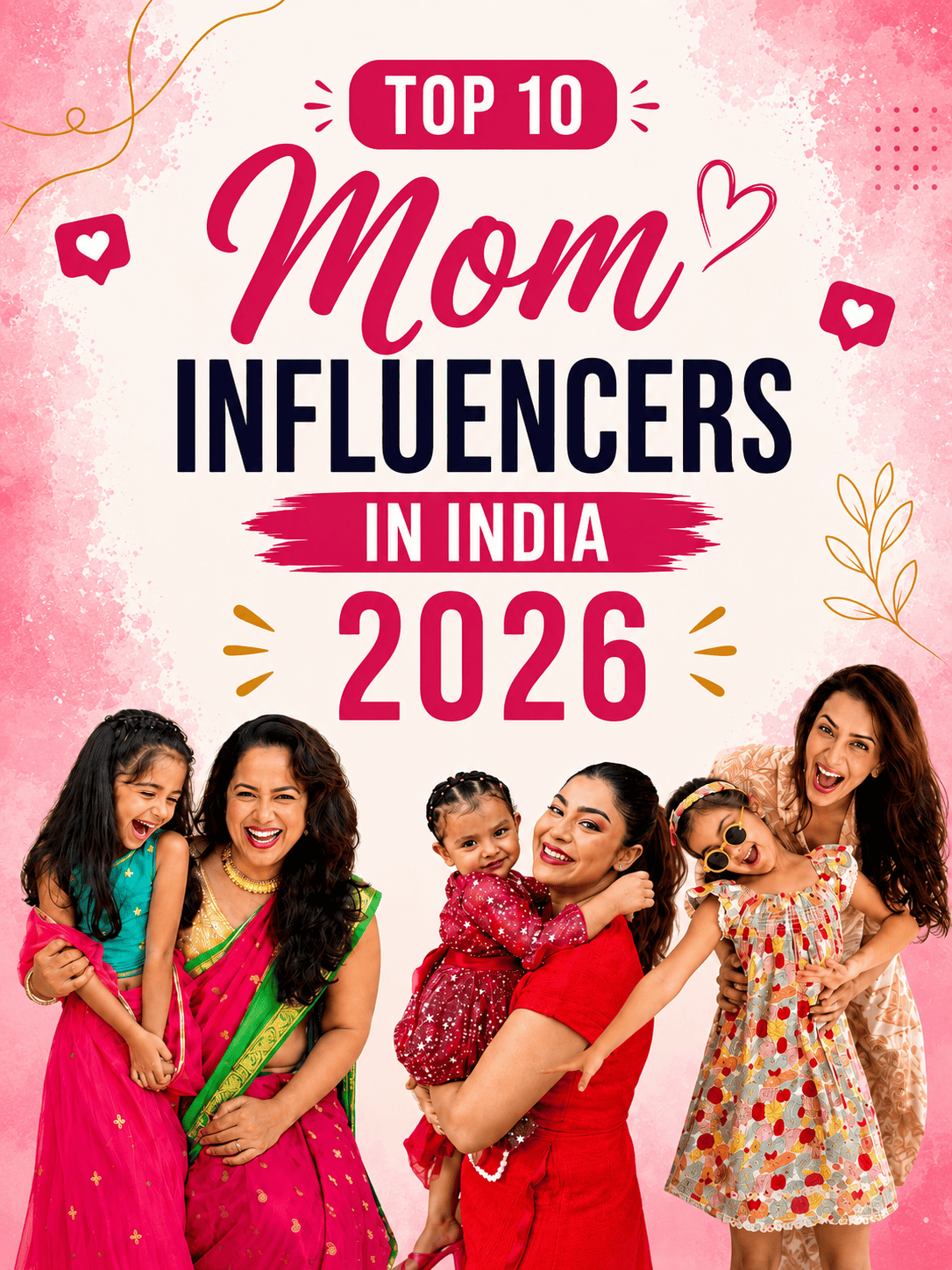
Top 10 Mom Influencers in India 2026
India is home to some of the most influential mom creators on Instagram, and in 2026, their impact on parenting culture and brand marketing has never been stronger. From Bollywood celebrities like Neha Dhupia and Debina Bonnerjee to niche experts like Dr. Pallavi Rao Chaturvedi, these women are shaping how millions of Indian mothers think, shop, and raise their children.