Why 2026 Is the Breakout Year for Influencer Marketing for Brands
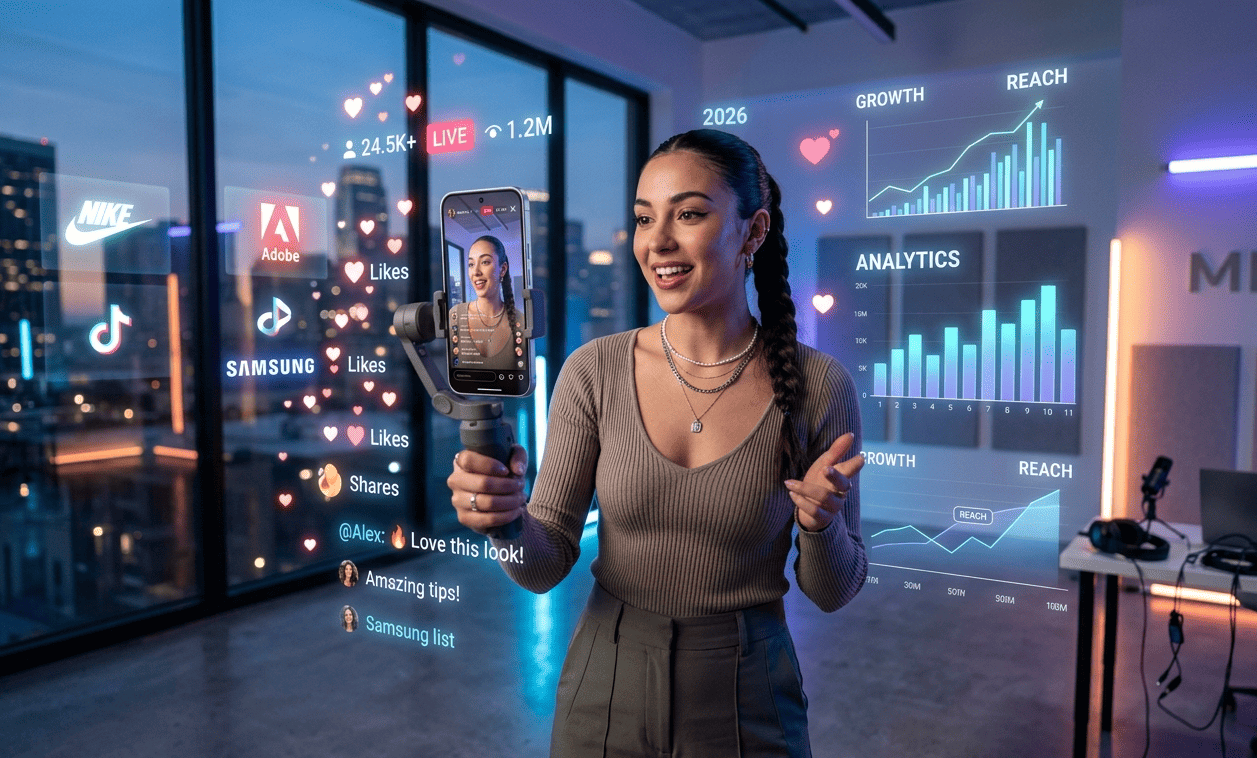
In 2026, influencer marketing is no longer just a trend—it’s a core growth engine for brands. What started as a side-channel strategy has now evolved into a full-scale performance marketing system
Why 2026 Is the Breakout Year for Influencer Marketing for Brands
In 2026, influencer marketing is no longer just a trend—it has become a core growth engine for modern brands. With declining trust in traditional advertising and the explosive growth of short-form content, influencer marketing is now one of the most effective ways to drive awareness, engagement, and conversions.
This article explores why 2026 is the most important year for influencer marketing and how brands can leverage it to scale faster than ever.
The Evolution of Influencer Marketing
Influencer marketing has transformed significantly over the past decade. Earlier dominated by celebrities, it is now driven by micro and nano influencers who offer higher engagement and stronger audience trust.
In 2026, success is no longer about follower count. It is about authenticity, relatability, and community-driven influence. Consumers prefer real recommendations over polished brand advertisements, making influencer marketing more powerful than ever.
Key Reasons Why 2026 Is the Year of Influencer Marketing
1. Declining Trust in Traditional Advertising
Consumers are increasingly skeptical of traditional ads. Studies show that more than 80% of people trust recommendations from individuals over brands.
- Ad fatigue is increasing
- Users skip or block ads
- Trust in brand messaging is declining
Influencers create native content that feels authentic, making it more effective in building trust.
2. Rise of Short-Form Content
Platforms like Instagram Reels and YouTube Shorts dominate user attention in 2026. Short-form video content is now the primary way people consume information.
- Shorter attention spans
- Algorithm-driven discovery
- Higher engagement with video content
Influencers excel at creating scroll-stopping content that aligns perfectly with these platforms.
3. Performance-Driven Marketing
Influencer marketing is no longer just for branding. It is now measurable and performance-focused.
- Cost per acquisition (CPA)
- Conversion rates
- Revenue tracking
Brands use affiliate links and discount codes to track ROI effectively.
4. Growth of Niche Communities
Brands are shifting from mass targeting to niche audiences such as fitness, skincare, and tech communities.
Micro influencers within these niches deliver higher engagement and stronger conversion rates.
5. Cost Efficiency Compared to Paid Ads
With rising ad costs on platforms like Meta and Google, influencer marketing offers a more cost-effective alternative.
- Lower cost per reach
- Higher engagement
- Better ROI
6. User-Generated Content (UGC) Advantage
Influencers create high-quality content that brands can reuse across multiple channels.
- Social media ads
- Website creatives
- Product pages
UGC-based ads often outperform traditional brand creatives.
7. AI Integration in Influencer Marketing
AI is making influencer marketing scalable and efficient.
- Influencer discovery
- Performance prediction
- Content ideation
- Automation
How Brands Can Win in 2026
1. Build Long-Term Relationships
Consistent collaborations build trust and improve brand recall.
2. Focus on Micro Influencers
Smaller influencers often deliver better engagement and ROI.
3. Combine Influencer and Paid Ads
Use influencer content in paid campaigns for better performance. Many brands also partner with expert agencies like Strwbery Social Media Management Agency to scale campaigns efficiently and maximize ROI.
4. Track Performance
Use analytics tools, affiliate links, and discount codes to measure success.
5. Create a Creator Network
Build a group of influencers who regularly promote your brand.
Why Brands Are Increasing Influencer Budgets
Brands are shifting budgets toward influencer marketing because it:
- Drives higher engagement
- Builds trust and credibility
- Improves conversion rates
- Generates reusable content
Many brands now allocate 30–50% of their marketing budgets to influencer campaigns.
Challenges in Influencer Marketing
- Fake followers
- Choosing the wrong influencers
- Lack of proper tracking
- Inconsistent content quality
These challenges can be solved through proper vetting, strategy, and analytics.
The Future of Influencer Marketing
The future will see:
- AI influencers
- Performance-based collaborations
- Creator-led brands
- Deep e-commerce integration
Conclusion
2026 is the year influencer marketing becomes essential for brand growth. With rising competition and changing consumer behavior, brands must adopt influencer strategies to stay relevant.
Those who build strong creator relationships and leverage authentic content will dominate the market. To accelerate results, brands can also collaborate with experts in Strwbery Influencer Marketing Services to streamline campaigns and drive measurable growth.
Frequently Asked Questions (FAQs)
1. Why is influencer marketing important in 2026?
It builds trust, drives engagement, and delivers higher conversion rates than traditional advertising.
2. Is influencer marketing better than paid ads?
It works best when combined with paid ads for maximum ROI.
3. Which influencers are best for brands?
Micro and nano influencers often provide better engagement and trust.
4. How can ROI be measured?
Through engagement metrics, conversions, and tracking links.
5. Is influencer marketing expensive?
It can be cost-effective, especially with micro influencers.
6. Which industries benefit the most?
Fitness, beauty, fashion, and tech industries benefit the most.
Continue Reading
Related influencer marketing insights
Influencer Marketing for Travel Brands: Complete Guide (2026)
Discover how travel brands use influencer marketing to build trust and drive bookings. Learn campaign types, creator selection tips, and how UGC boosts ROI

Top 10 Dance Influencers in India on Instagram in 2026
Discover the top 10 dance influencers in India on Instagram in 2026 — from Awez Darbar’s 30M+ followers to rising stars shaking up the scene. Find the perfect creator for your next influencer marketing campaign.
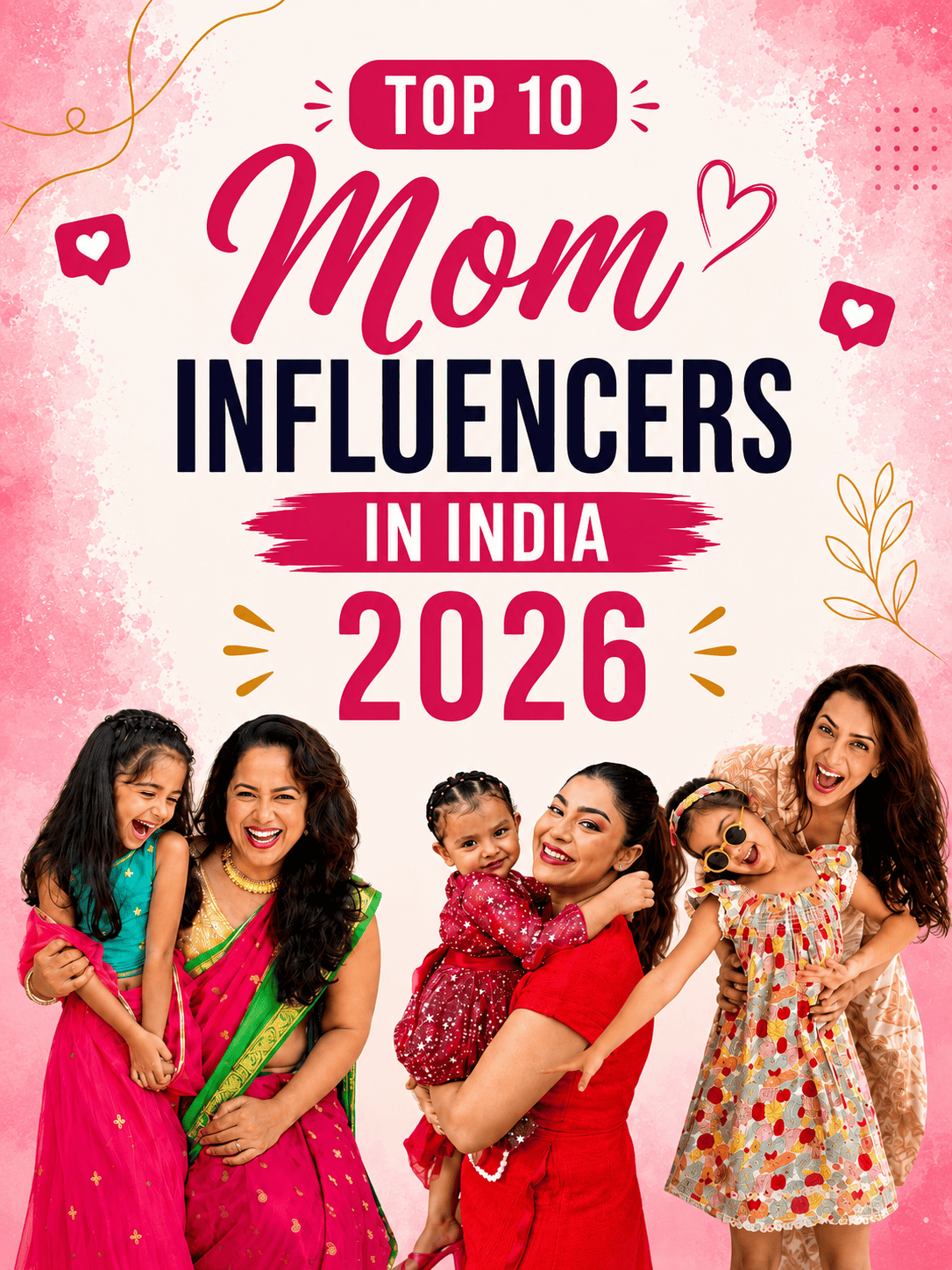
Top 10 Mom Influencers in India 2026
India is home to some of the most influential mom creators on Instagram, and in 2026, their impact on parenting culture and brand marketing has never been stronger. From Bollywood celebrities like Neha Dhupia and Debina Bonnerjee to niche experts like Dr. Pallavi Rao Chaturvedi, these women are shaping how millions of Indian mothers think, shop, and raise their children.